
How to Become a Yoga Teacher in the UK: A Step-by-Step Guide
YogaLife Journal
UK yoga-teaching careers · Updated September 2026
Becoming a yoga teacher in the UK takes more than completing a course and posting a class online. You need a sound personal practice, credible foundational training, supervised teaching experience and the practical systems that protect both you and your students.
There is no single universal UK qualification or statutory licence that every yoga teacher must hold. That does not make standards optional. Studios, leisure centres, insurers and professional bodies can each set requirements, and specialist work with children, pregnancy or health conditions needs additional competence.
A 200-hour course is the common foundation, but the quality of those 200 hours matters. Use this guide to understand the route, compare providers and move from newly qualified to genuinely employable.
What the role really involves
Teaching yoga is partly movement instruction and partly people management. You plan a coherent class, communicate clearly, watch the room, offer alternatives, manage time and respond calmly when the session does not unfold as expected.
The work outside class can be just as important. Freelance teachers may handle bookings, marketing, invoices, tax records, insurance, health information, venue agreements, equipment and cancellations. A 60-minute class can require travel, preparation and administration that are not included in the advertised teaching rate.
Teaching skills
- sequencing with a clear purpose;
- concise verbal and visual cueing;
- observation without diagnosing;
- options for different experience levels;
- consent and appropriate boundaries;
- calm emergency decision-making.
Business skills
- pricing and cash-flow planning;
- contracts and venue terms;
- record keeping and tax;
- honest marketing;
- data protection;
- reliable communication.
The National Careers Service describes yoga-teacher earnings and hours as variable, with many people working freelance or self-employed. Treat initial income as uncertain. It often takes time to establish regular classes, cover work and a reliable student base.
Personal practice remains important, but being able to perform a pose is not the same as being able to teach it. Communication, judgement and the ability to recognise your limits are more valuable than impressive flexibility.
Yoga teacher training routes in the UK
You can train through private yoga schools, professional bodies, colleges or style-specific organisations. The National Careers Service names routes through organisations such as the British Wheel of Yoga, Yoga Alliance Professionals and Iyengar Yoga UK. International Yoga Alliance registration is another widely recognised framework.
No registry should be treated as a guarantee of excellent teaching. Its value lies in setting a published educational structure, ethics requirements and a way for employers or students to verify training. Always investigate the actual school and faculty.
| Route | What it offers | What to check |
|---|---|---|
| 200-hour foundational training | A broad introduction to practice, anatomy, philosophy, teaching methods and practicum. | Live teaching hours, assessment, faculty experience and acceptance by your intended insurer or venue. |
| Professional-body diploma | A curriculum linked to a UK membership or awarding structure. | Course level, duration, assessment and any membership obligations. |
| Style-specific training | Depth within a defined lineage or method. | Whether it supports the settings and class types you want to teach. |
| College or adult-learning route | A structured qualification delivered through an education provider. | Entry requirements, practical hours and employer recognition. |
| Specialist further training | Children, prenatal, older adults, restorative, therapy or another population. | Required foundational experience, scope of practice and safeguarding. |
The National Careers Service says teachers will usually have two to three years’ experience practising with a qualified teacher before teaching themselves. Providers set their own entry requirements, but a stable practice gives you the context to absorb training and notice how different teachers work.
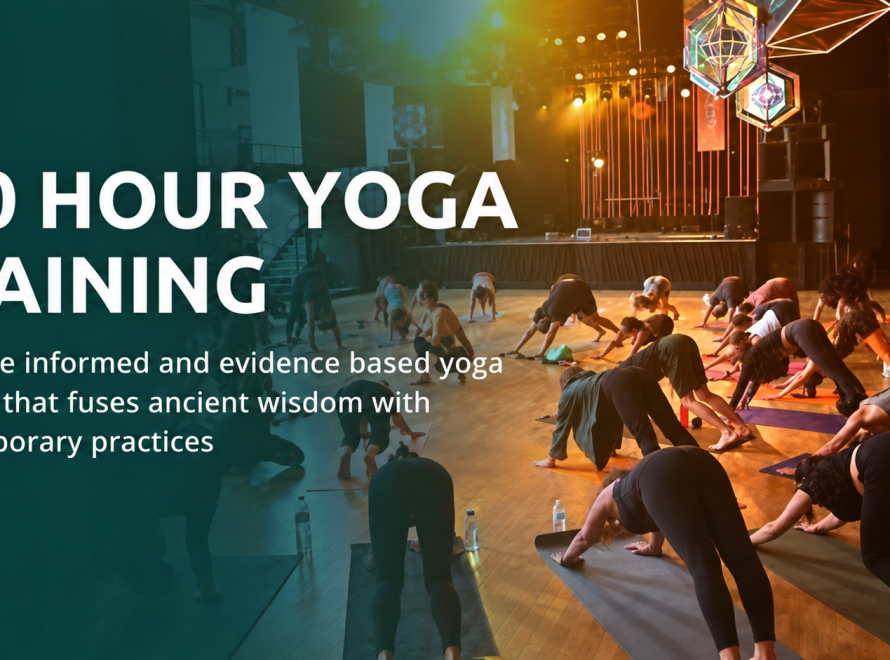
YogaLife’s 200-hour Hatha Vinyasa programme, delivered with LUMEN, combines guided online study with in-person weekends, teaching practice and post-qualification mentorship. Its successful graduates are eligible to apply for Yoga Alliance RYT 200 registration.
How to choose a credible course
Start with the style you practise and may want to teach. A programme should have a clear method rather than promising mastery of Hatha, Vinyasa, Yin, Restorative, hot yoga, pregnancy and therapy in one foundational course.
Ask for the complete curriculum. A strong 200-hour programme should connect techniques and practice with anatomy, yoga history and philosophy, ethics, teaching methods and assessed practicum. Online modules can support learning, but live observation and feedback are essential when developing teaching skills.
- Lead trainers: check their years of teaching, teacher-training experience and current role.
- Assessment: understand how competence is measured and what happens if you need more practice.
- Teaching time: ask how often you will lead, who watches and how feedback is delivered.
- Cohort size: confirm whether every trainee receives meaningful attention.
- Attendance: read the absence, catch-up and resit policies.
- Total cost: include manuals, travel, registration, insurance and any reassessment fees.
- Graduate support: look for mentoring, cover opportunities and realistic career guidance.
Red flag: avoid any provider that guarantees work, dismisses questions about accreditation or insurance, encourages teachers to diagnose students, or awards a certificate solely because the fee was paid.
Read what you learn on a 200-hour teacher training for a detailed curriculum breakdown.
Insurance, first aid and professional basics
The National Careers Service lists insurance as a requirement for yoga teachers. In practice, venues commonly ask for evidence of public liability and professional indemnity cover. Read the policy carefully: confirm the styles, locations, online teaching, equipment and student groups it covers.
First-aid expectations depend on your working arrangement and venue. HSE guidance says employers must assess their first-aid needs and provide appropriate equipment, facilities and personnel. Self-employed people must make suitable provision for themselves; HSE also recommends considering non-employees when planning first aid. A current practical first-aid course is a sensible professional step and may be required by a venue or insurer.
Before teaching, know the venue’s emergency procedure, exact address, fire exits, first-aid equipment and incident-reporting process. Keep a charged phone accessible and never rely on another teacher being present.
Other checks may include
- DBS and safeguarding: requirements depend on the people and setting. Work with children or vulnerable groups may require the correct level of check and safeguarding training; not every yoga role is automatically eligible for an enhanced DBS check.
- Music licensing: establish whether the venue’s licence covers your use of recorded music.
- Health information: collect only what you need, store it securely and explain how it will be used.
- Risk assessment: inspect floors, access, temperature, capacity, emergency routes and equipment.
- Tax and records: if you trade as a sole trader, follow current HMRC registration and record-keeping rules. GOV.UK currently says registration is required when self-employed trading income exceeds £1,000 in a tax year, alongside certain other circumstances.
This is a practical overview, not legal, tax or insurance advice. Check the current rules and your own contracts before starting work.
Build experience before chasing a full timetable
Graduation confirms that you met one course’s standard. It does not remove the need for supported experience. Begin with a class format you understand well and a population within your competence.
- Teach short sections. Practise arrivals, warm-ups, standing sequences and endings separately.
- Teach people you know. Use an appropriate, insured arrangement and request specific feedback.
- Observe experienced teachers. Notice room management, timing and how they adapt plans.
- Offer cover. Reliable cover work can build relationships with studios without immediately committing to a permanent class.
- Keep a teaching log. Record the plan, attendance, what changed and what you will improve.
- Use mentorship. Discuss difficult situations before they become habits.
Do not attempt to serve every student from day one. Pregnancy, postnatal practice, children, significant medical conditions and yoga therapy require knowledge beyond a general 200-hour foundation. Refer appropriately and undertake further training before marketing specialist expertise.
Feedback is useful when it changes behaviour. Instead of asking “Was that good?”, ask whether instructions were clear, the pace allowed time to respond, options were easy to understand and the class matched its description.
Yoga teaching career options
Most new teachers combine several types of work. You might teach a weekly studio class, cover sessions, run small private groups or offer workplace classes while keeping another job. This can reduce financial pressure and give your teaching time to mature.
Common early routes
- studio or leisure-centre classes;
- holiday and sickness cover;
- community groups;
- workplace wellbeing sessions;
- one-to-one foundational teaching;
- online classes where insured.
Later possibilities
- workshops and short courses;
- retreat teaching;
- specialist populations after training;
- studio management or ownership;
- teacher mentoring;
- yoga therapy after substantial further study.
Price from the whole job, not the hour in front of students. Include planning, travel, setup, booking fees, tax, insurance, equipment, marketing and unpaid cancellations. A busy timetable is not profitable if every class requires extensive travel or has an unreliable agreement.
Be cautious with medical and mental-health claims. Yoga teachers can support a general practice within their training; they should not diagnose, prescribe treatment or present yoga as a replacement for qualified care.
Step-by-step yoga teacher checklist
- Build a consistent personal practice with qualified teachers and experience more than one class pace.
- Define your goal: personal study, occasional teaching or a longer-term career.
- Compare training routes and verify the provider, curriculum, faculty, assessment and recognition.
- Complete foundational training with genuine practicum and feedback.
- Confirm your scope and identify subjects that require further study or referral.
- Arrange suitable insurance before teaching and follow every policy condition.
- Complete relevant first-aid and safeguarding preparation for your venues and students.
- Set up business basics, including agreements, pricing, records, tax and data handling.
- Teach gradually through supported practice, cover and a manageable first class.
- Continue learning through mentorship, observation, feedback and carefully chosen specialist training.
Do not wait to feel fearless. Aim to be prepared, insured, honest about your competence and willing to ask for help.
Frequently asked questions
Do yoga teachers need a licence in the UK?
There is no single statutory yoga-teacher licence applying to every role. Providers, professional bodies, insurers, studios and employers set qualification and operating requirements.
Is 200 hours enough to teach yoga?
A strong 200-hour course is a common foundation for general classes. Readiness also depends on practicum, feedback, personal practice, insurance and the population you intend to teach.
Do I need Yoga Alliance registration?
Not for every UK teaching role. It may be valued or required by particular studios, employers, insurers or international opportunities. Check your intended market before deciding.
Can I teach yoga as a side business?
Yes. Many teachers begin part-time. Apply the same standards to insurance, tax, risk management and professional boundaries as you would to a full-time business.
How quickly can I earn a full-time income?
There is no reliable timeline. Income is variable and depends on location, rates, demand, travel, venue costs and business skills. Plan conservatively rather than relying on course marketing.
Explore the YogaLife route
Further reading
- National Careers Service: Yoga teacher
- GOV.UK: Register as a sole trader
- HSE: First-aid legislation and responsibilities
Important: Requirements can vary by location, venue, insurer, employment status and the people you teach. This article is general information, not legal, tax, insurance or medical advice. Verify the current requirements that apply to your work.
BUILD THE FOUNDATION FIRST.
Explore YogaLife teacher training
Review the current programme, meet the teaching team and ask questions before applying.