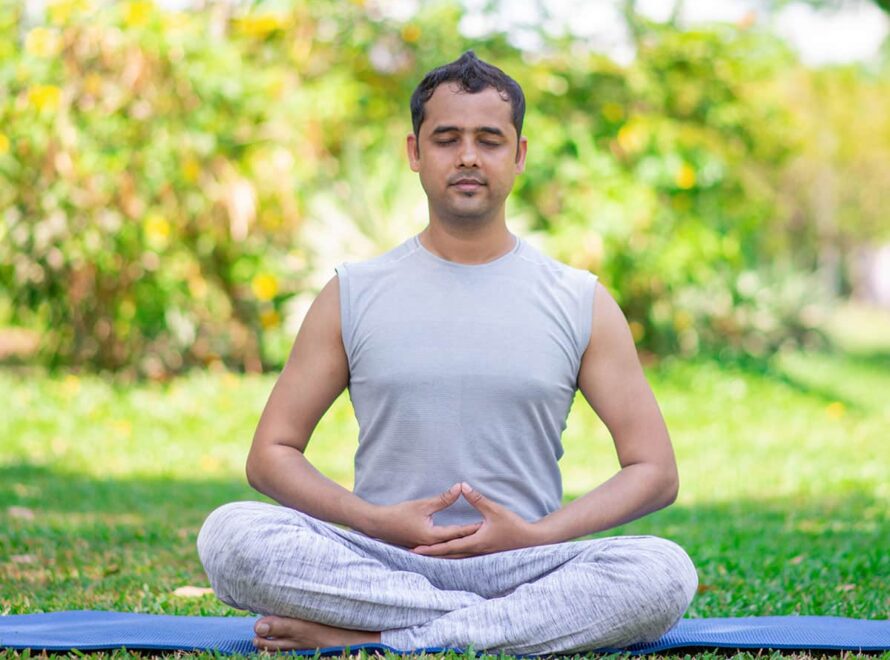


Why Longevity-Focused Yoga Matters More Than Ever
What if your yoga practice wasn’t just about flexibility, but about supporting your body and mind for decades to come?
Across the UK and globally, wellness is undergoing a major shift. The old model of fitness, focused on short-term aesthetics or performance, is being replaced by something far more sustainable:
Longevity-focused health.
This means prioritising:
- Long-term physical function
- Mental clarity and emotional stability
- Stress resilience
- Quality of life into your 60s, 70s, and beyond
Rather than chasing intensity, people are now asking a smarter question:
“What can I do consistently that supports my health over the long term?”
Yoga sits at the centre of that answer.
At YogaLife UK, this shift isn’t a trend, it’s the foundation. Yoga, breathwork, and mindfulness are being positioned not just as lifestyle practices, but as tools that support healthy ageing and overall wellbeing.
Importantly, while yoga is not a medical treatment or a guarantee of increased lifespan, there is growing scientific interest in how it influences the systems most closely linked to longevity.
Understanding Longevity: Lifespan vs Healthspan
Before going deeper, it’s important to distinguish between two key terms:
- Lifespan = how long you live
- Healthspan = how well you live during that time
Modern wellness science increasingly focuses on healthspan, because living longer without quality of life has limited value.
Yoga supports multiple systems that influence healthspan, including:
- Musculoskeletal health
- Nervous system regulation
- Mental wellbeing
- Cardiovascular efficiency
This makes it particularly relevant in the context of long-term health.
Can Yoga Help You Live Longer? What the Science Suggests
Yoga does not directly “add years to your life” in a guaranteed way. However, research shows it can positively influence biological markers and behaviours associated with healthy ageing.
1. Yoga and Cellular Ageing (Telomere Support)
Telomeres are structures that protect your DNA. Over time, they shorten, a process associated with ageing.
Some studies suggest that meditation and yoga-based practices may support telomere maintenance.
Why this matters:
While research is still developing, maintaining cellular health is a key factor in ageing well.
2. Reducing Chronic Inflammation
Chronic inflammation is linked to many long-term conditions, including:
- Cardiovascular disease
- Type 2 diabetes
- Certain cancers
Yoga has been associated with reductions in inflammatory markers such as CRP and IL-6.
Why this matters:
Lower inflammation is linked to improved long-term health outcomes.
3. Brain Function, Mood & Cognitive Health
Yoga has been shown to influence neurotransmitters such as GABA, which are associated with calmness and reduced anxiety. Regular practice may support:
- Focus and attention
- Emotional regulation
- Stress reduction
Why this matters:
Cognitive health is a major component of ageing well.
4. Nervous System Regulation & Stress Resilience
Chronic stress is one of the most overlooked drivers of poor health.
Yoga activates the parasympathetic nervous system, which helps the body recover and repair.
Why this matters:
- Improved sleep
- Reduced burnout
- Better recovery
These factors all contribute to long-term wellbeing.
5. Mobility, Balance & Functional Strength
Loss of mobility is one of the strongest predictors of ageing-related decline.
Yoga helps improve:
- Balance
- Joint stability
- Functional strength
- Coordination
Why this matters:
Maintaining movement ability supports independence later in life.
Why Yoga Offers a Unique Advantage Over Traditional Fitness
Most fitness systems are designed around a single goal:
- Strength training → muscle growth
- Cardio → endurance
- Stretching → flexibility
Yoga integrates all of these into one system, while also including:
- Breath control
- Mindfulness
- Recovery
This makes it a multi-system practice, which is particularly valuable for long-term health.
Instead of pushing the body into stress repeatedly, yoga teaches the body how to:
- Move efficiently
- Recover effectively
- Regulate itself
Mental Health: A Critical (and Often Overlooked) Factor in Longevity
Longevity is not purely physical. Mental and emotional wellbeing play a major role in:
- Lifestyle consistency
- Sleep quality
- Stress management
Research shows yoga may help:
- Reduce symptoms of anxiety and depression
- Improve sleep
- Enhance emotional resilience
Why this matters:
People who feel better mentally are more likely to maintain healthy behaviours over time.
Breathwork: The Hidden Lever for Long-Term Health
Breathing is one of the most powerful, but underused, tools in health. Yoga incorporates structured breathing techniques such as:
- Slow nasal breathing
- Extended exhalation
- Controlled breath retention
These techniques may improve:
- Heart rate variability (HRV)
- Oxygen efficiency
- Nervous system balance
Why this matters:
Better breathing is linked to improved resilience, recovery, and overall health.
The Role of Consistency: Why Simplicity Wins
One of the biggest misconceptions in health is that you need extreme interventions to see results. In reality, long-term health is built through:
- Consistency
- Sustainability
- Balance
Yoga supports all three.
Instead of relying on:
- Intense workouts
- Short-term diets
- Complex biohacks
Yoga provides a simple, repeatable system that can be maintained for decades.
YogaLife UK: A Longevity-Focused Approach to Wellness
At YogaLife UK, the focus is not just on teaching yoga—but on building a system that supports long-term health.
This includes:
- Hot yoga for cardiovascular and metabolic support
- Breathwork sessions for nervous system regulation
- Strength-based flows for functional fitness
- Community-based classes for social connection
Based in Handforth, Wilmslow, YogaLife UK is designed around modern wellness needs—not outdated fitness models.
The Bigger Picture: Longevity Is a Lifestyle, Not a Shortcut
The most important takeaway is simple:
Longevity is not built through extremes, it’s built through consistency. Yoga works because it combines:
- Movement
- Breath
- Awareness
- Recovery
Into a single, sustainable practice. You don’t need to overhaul your life overnight. You just need to start, and keep going.
Frequently asked questions
Yoga is not proven to directly extend lifespan on its own. However, it supports several factors associated with healthy ageing, including reduced stress, improved mobility, and better mental wellbeing. These factors may contribute to improved overall health and quality of life over time.
There is no single “best” type of yoga for longevity. A balanced approach works best, including:
- Strength-based flows for muscle support
- Gentle or restorative yoga for recovery
- Breathwork-focused sessions for nervous system regulation
The key factor is consistency, not intensity.
Most research suggests that practising yoga 2–5 times per week can provide meaningful benefits. Even shorter sessions (15–30 minutes) can be effective when done consistently.
Yoga and gym training serve different purposes. Strength training is important for maintaining muscle mass, while yoga supports mobility, balance, and recovery. For long-term health, a combination of both is often recommended.
Yes. Yoga has been shown to support stress reduction and emotional regulation by activating the parasympathetic nervous system. Many people report improvements in mood, anxiety levels, and sleep quality with regular practice.
Breathwork can influence heart rate, stress response, and oxygen efficiency. While more research is ongoing, many studies suggest it may support relaxation, focus, and resilience when practised regularly.
Yoga can be safe and beneficial for older adults when adapted appropriately. Low-impact styles and guided instruction are recommended, especially for beginners or those with existing health conditions.
Some benefits—such as reduced stress and improved relaxation—can be felt immediately. Physical improvements like flexibility and strength typically develop over weeks or months of consistent practice.