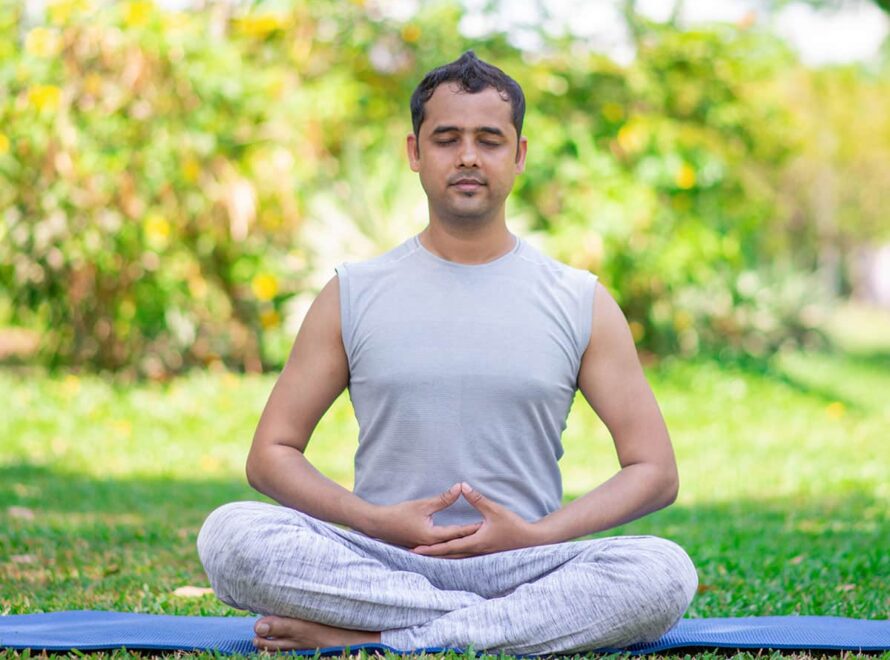


It’s Not Just Heat — It’s a Full Reset for Your Body and Mind
Walk into a hot yoga class and the first thing you notice is the heat. It’s immediate. Intense. Unavoidable. But here’s the truth most people don’t expect. The reason people keep coming back isn’t the sweat, it’s the way they feel afterwards.
- Clearer
- Lighter
- Stronger
- Calmer
Across the UK, and particularly in areas like Wilmslow and Handforth, hot yoga is growing rapidly. But this isn’t just another fitness trend. It’s part of a wider shift toward:
- Stress management
- Mental wellbeing
- Sustainable health practices
At YogaLife UK, this transformation is visible every day. People walk in:
- Tired
- Stiff
- Overwhelmed
And walk out feeling noticeably different.
What Is Hot Yoga (And Why Does the Heat Matter)?
Hot yoga is simply yoga practised in a heated room, typically between 35–40°C. But the heat fundamentally changes how your body responds. It can:
- Increase blood flow
- Warm muscles more quickly
- Encourage deeper breathing
- Create a stronger sweat response
This doesn’t necessarily make the practice “better”, but it changes the stimulus, creating a different physiological and mental experience compared to standard yoga.
Why Hot Yoga Feels So Different From Regular Yoga
The heat introduces a unique combination of physical and psychological challenge. During a class, your body is:
- Working harder to regulate temperature
- Maintaining focus under stress
- Adapting to discomfort
This creates a dual effect:
Physical:
- Increased heart rate
- Greater flexibility potential
- Higher energy output
Mental:
- Improved focus
- Greater awareness of breath
- Enhanced stress tolerance
The Real Benefits of Hot Yoga (What Research Suggests)
Hot yoga is still an emerging area of research, but existing studies and physiological principles suggest several potential benefits.
1. Cardiovascular Response Similar to Moderate Exercise
Practising yoga in heat can elevate heart rate, sometimes comparable to moderate-intensity cardio.
American Council on Exercise (ACE) research highlights this cardiovascular response.
What this means:
You may be combining:
- Strength
- Mobility
- Cardiovascular stimulus
In a single session.
2. Sweating and Thermoregulation
Sweating is the body’s natural cooling mechanism. While the idea of “detoxification” through sweat is often overstated, sweating does support:
- Temperature regulation
- Skin function
- Circulatory processes
What matters more:
Improved circulation and physiological response, not just sweating itself.
3. Stress Reduction and Nervous System Regulation
The combination of:
- Heat
- Controlled breathing
- Movement
Can support activation of the parasympathetic nervous system after the session.
This may contribute to:
- Reduced stress
- Improved mood
- Better recovery
4. Increased Flexibility (With Proper Control)
Warmer muscles can allow for:
- Greater range of motion
- Deeper stretches
However, this must be approached carefully to avoid overstretching.
Key point:
Heat can assist flexibility, but control and awareness are essential.
5. Mental Resilience and Focus
One of the most underrated benefits of hot yoga is psychological. Practising in heat teaches you to:
- Stay calm under pressure
- Control your breathing
- Manage discomfort
These skills often carry into everyday life.
Why Hot Yoga Is Booming in the UK Right Now
Hot yoga isn’t growing in isolation, it’s part of a broader shift in how people approach health. People are moving away from:
- Punishing workouts
- Extreme dieting
- Short-term fitness goals
And toward:
- Sustainable routines
- Mental wellbeing
- Longevity-focused training
Hot yoga fits perfectly into this shift because it offers:
- Challenge without burnout
- Intensity without joint impact
- Effort combined with recovery
The Experience at YogaLife UK: More Than Just Heat
At YogaLife UK in Handforth, hot yoga is not just about turning up the temperature. The focus is on:
- Intelligent sequencing
- Breath-led movement
- Nervous system awareness
- A supportive community environment
This creates a session that is:
- Physically demanding
- Mentally grounding
- Emotionally stabilising
The goal isn’t to “survive the class.” It’s to leave feeling better than when you walked in.
Is Hot Yoga Safe?
Hot yoga is generally safe for most people when practised responsibly. However, it’s important to:
- Stay hydrated
- Take breaks when needed
- Listen to your body
Beginners should start gradually and avoid pushing too hard too quickly. For individuals with medical conditions, it’s always advisable to seek professional guidance before starting.
Who Is Hot Yoga For?
Hot yoga is more adaptable than many people think. It can be suitable for:
- Beginners
- Experienced athletes
- People managing stress
- Individuals with stiffness or limited mobility
The key is not your starting point, it’s your approach.
The Bigger Picture: Why It Works
Hot yoga works because it combines multiple elements into one experience:
- Heat
- Movement
- Breath
- Focus
It challenges the body, but also teaches it how to recover. And that’s what makes it sustainable.
Your Next Step
If you’ve been:
- Feeling stiff
- Feeling stressed
- Stuck in the same routine
Hot yoga might be worth exploring.
Try a class at YogaLife UK in Wilmslow / Handforth. You don’t need:
- Flexibility
- Experience
- Fitness
You just need to show up.
Frequently asked questions
Hot yoga can offer benefits such as improved flexibility, stress reduction, and increased heart rate during practice. However, results vary depending on consistency, hydration, and individual health.
Most people benefit from 2–4 sessions per week. Beginners may start with 1–2 sessions and gradually increase frequency.
Hot yoga may increase calorie burn slightly due to elevated heart rate and temperature regulation, but it should not be relied on as a primary weight-loss method.
Yes, but beginners should:
- Start slowly
- Stay hydrated
- Take breaks
Listening to your body is essential.
Yes. Many people report reduced stress and improved mood after sessions, likely due to breathwork, movement, and nervous system regulation.
Sweating is often associated with detox, but the body primarily detoxifies through the liver and kidneys. Hot yoga may support circulation and sweating, but it should not be viewed as a detox solution.
Post-class benefits may come from:
- Endorphin release
- Nervous system regulation
- Physical movement
- Mental focus
Neither is “better”—they offer different benefits. Hot yoga adds a cardiovascular and thermal element, while regular yoga may be more accessible and less intense.