
Hot Yoga for Beginners: What to Expect From Your First Class
YogaLife Journal
Beginner-friendly advice · Wilmslow & Handforth · Updated August 2026
Everything you need to feel prepared: hydration, clothing, pacing, studio etiquette and what the infrared warmth may feel like.
Your first hot yoga class can feel unfamiliar, but it does not need to feel intimidating. Expect a warm studio, more perspiration than in an unheated class and a practice where pacing matters. Arrive hydrated, wear light clothing, tell the teacher you are new and give yourself permission to rest whenever you need to.
YogaLife uses infrared heat in its Wilmslow and Handforth studio environment. As class formats and heat levels can vary, check the individual session and ask the team what to expect before booking. If you are still choosing a style, compare the best yoga classes in Wilmslow and Handforth. The goal of your first class is not to push through every posture; it is to become comfortable with the room, follow the guidance and notice how your body responds.
What is hot yoga?
Hot yoga is an umbrella term for yoga practised in a deliberately heated room. It is not one fixed sequence or intensity. A class may be steady and technique-led, continuously flowing or physically challenging. The temperature, humidity, teaching style and use of infrared equipment may also differ between studios and sessions.
Heat can make muscles feel more comfortable as you move, but that sensation is not an invitation to stretch beyond your normal control. Work gradually and avoid using the warmth to force depth in a pose. Good technique, calm breathing and stable movement remain more important than reaching a particular shape.
Before your first hot yoga class
Choose a suitable class
Start by reading the class description rather than booking solely because “hot yoga” sounds appealing. A beginner-friendly Hatha or fundamentals session will feel different from Power Yoga or HIIT Yoga. Use the YogaLife class guide to compare pace and intensity, then confirm the live session on the timetable.
Hydrate normally through the day
Begin the class well hydrated rather than trying to drink a large amount immediately beforehand. Bring water and take small drinks when you need them. Your individual needs depend on the session, your body, the weather and how much you perspire. Avoid arriving after drinking alcohol, which can contribute to dehydration and make it harder to judge how you feel.
Plan food around comfort
A large meal immediately before a warm class may feel uncomfortable. Many people prefer to leave time to digest and, if needed, choose a light snack beforehand. There is no universal rule, so learn what supports your energy without leaving you overly full or hungry.
What to wear and bring
Choose breathable, close-fitting sportswear that allows unrestricted movement. Very loose tops can shift during forward folds or inversions, while heavy fabrics may feel uncomfortable once damp. Yoga is normally practised barefoot, so footwear is not required during the session.
- A bottle of water
- A yoga mat, if the studio asks you to bring one
- A mat towel or small towel for perspiration
- Dry clothing for the journey home
- Any personal medication you normally need, following your clinician’s advice
Equipment policies vary, so contact YogaLife before your visit if you are unsure what is supplied.
What happens when you arrive?
Arrive around 10 to 15 minutes early so you can check in, find the changing area and settle without rushing. Tell the teacher that it is your first heated class and share any relevant injury or health information. This gives them an opportunity to explain the format and point out where you can rest or leave the heated room if necessary.
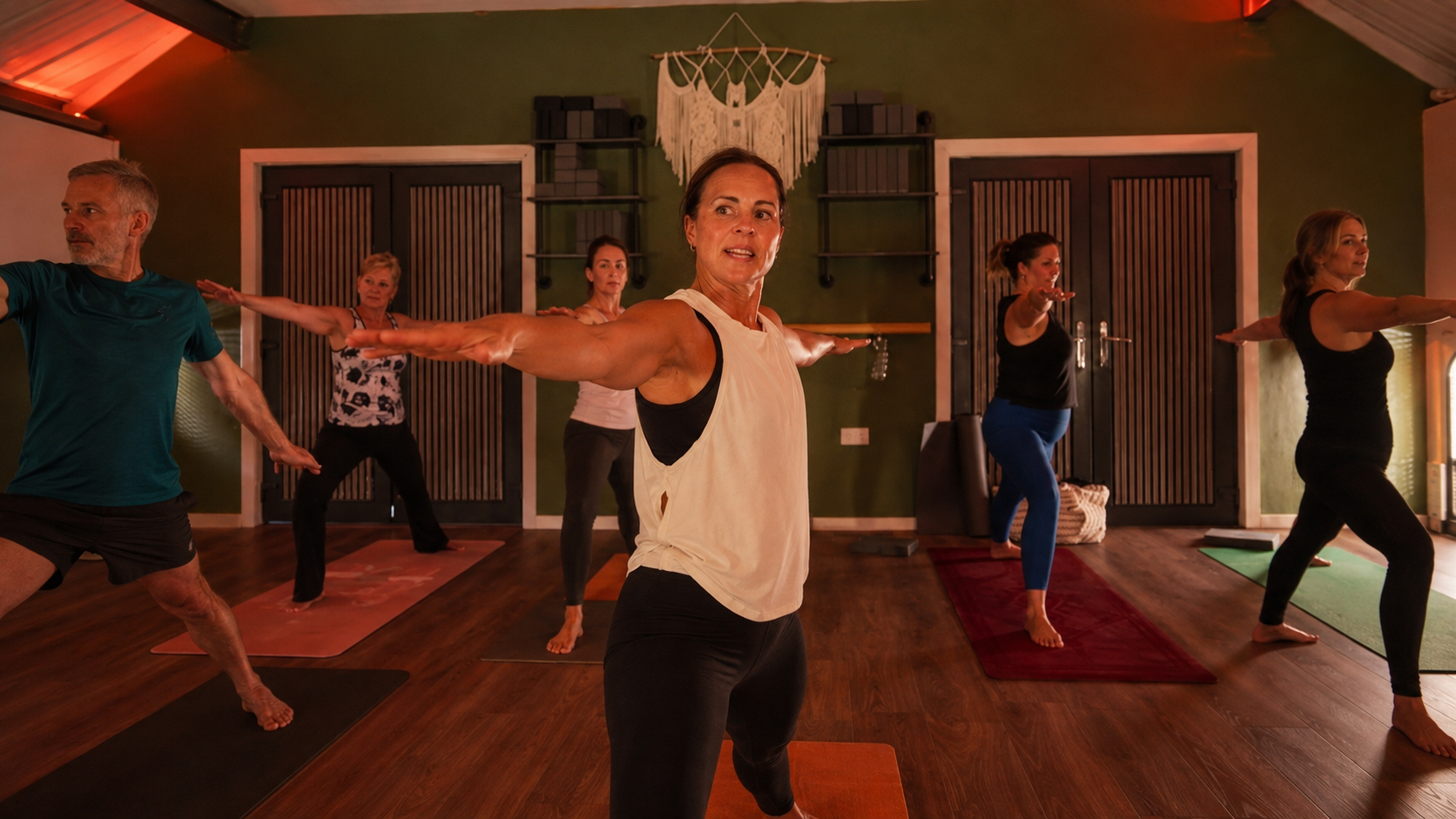
Place your mat where you can see and hear clearly. You do not need to hide at the back. The teacher’s verbal cues matter more than copying the most flexible person in the room.
During the class: pace beats pride
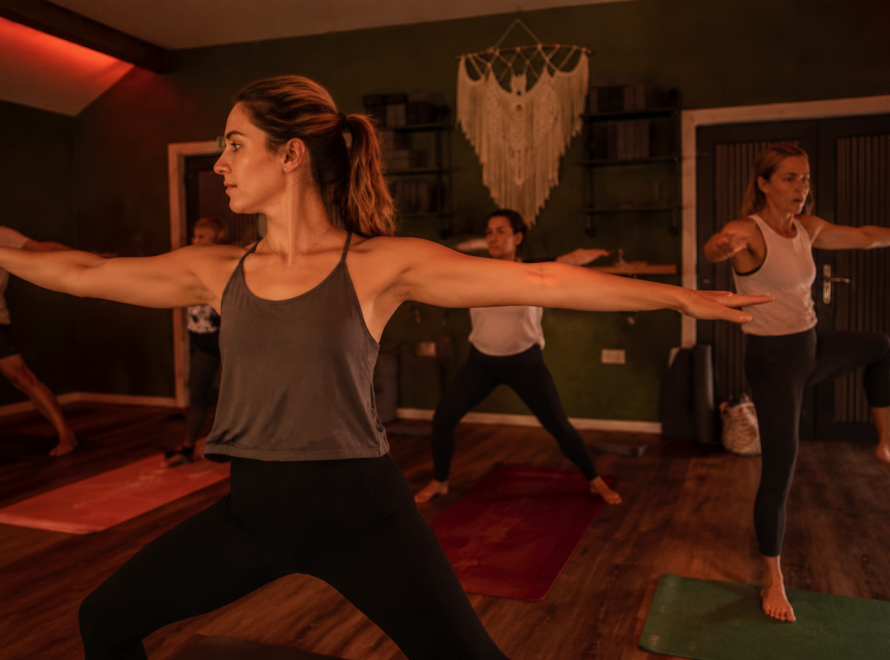
The class may begin with breathing, gentle mobility or a gradual warm-up before moving into standing and floor-based sequences. Even in a heated room, your body still benefits from progressive movement. Follow the options provided, use a stable range and breathe continuously.
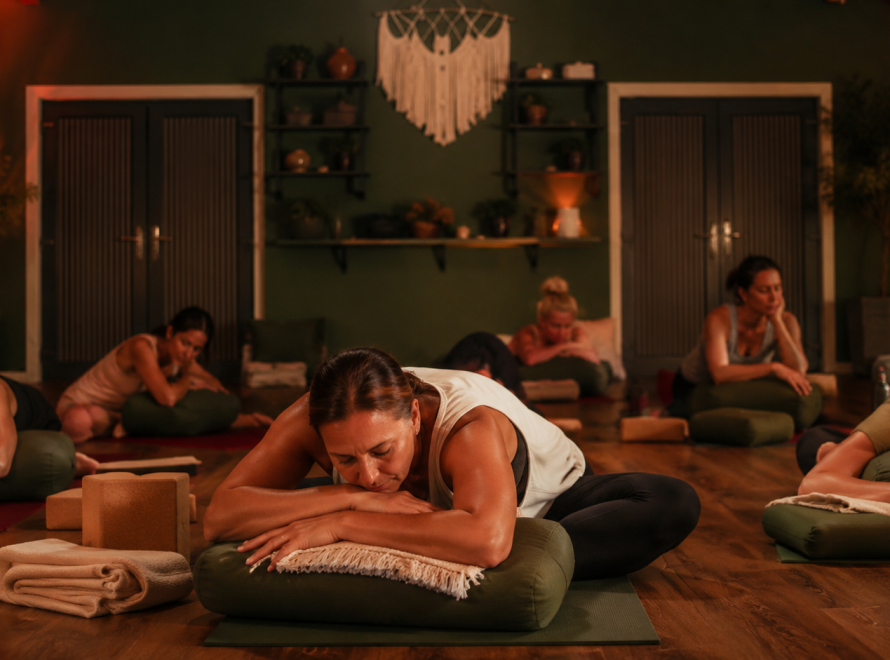
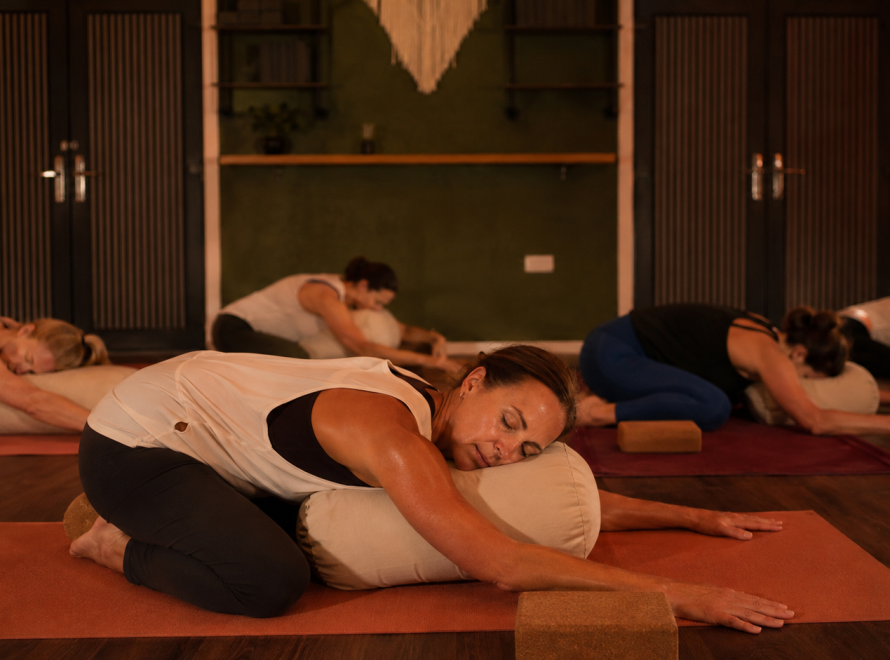
Resting is part of a sensible practice. Move into a comfortable resting position, sit down or leave the room if you feel unwell. Do not treat dizziness or nausea as proof that the session is “working”. The NHS lists tiredness, dizziness, headache, nausea or vomiting, excessive sweating, cramps, intense thirst and a high temperature among possible signs of heat exhaustion.
If symptoms occur, stop exercising, tell the teacher and move to a cooler place. The NHS heat exhaustion and heatstroke guidance explains how to cool someone and when urgent help is needed. Confusion, a seizure, loss of consciousness or other signs of heatstroke are a medical emergency.
After your first class
Give yourself a few minutes to cool down before rushing into the rest of your day. Drink according to thirst and have a normal balanced meal or snack when comfortable. Change out of damp clothing, particularly if you have a journey home.
It is normal to notice that a new activity has challenged unfamiliar muscles. Sharp pain, persistent dizziness or feeling significantly unwell is different; seek appropriate medical advice. Avoid scheduling your hardest workout immediately after your first hot yoga session. You will learn more from your body’s response if you leave room for recovery.
Who should seek advice before hot yoga?
Heated exercise is not suitable for everyone. Speak to an appropriate healthcare professional before attending if you are pregnant, have a heart or circulation condition, have a condition or take medication that affects heat tolerance or hydration, have recently been unwell, or have previously fainted or experienced heat illness. Ask the YogaLife team about an unheated or gentler alternative when needed.
The NHS advises avoiding strenuous exercise in hot conditions during pregnancy and emphasises hydration and listening to your body. Pregnancy and individual medical circumstances vary, so personalised advice from your doctor or midwife takes priority over a general studio guide.
Common first-class mistakes
- Starting too hard: use the first session to learn the environment.
- Forcing flexibility: warmth can change how a stretch feels, so keep control and avoid chasing depth.
- Ignoring warning signs: stop and cool down if you feel dizzy, sick, confused or unusually weak.
- Comparing yourself: other students may have years of experience.
- Choosing clothing for appearance rather than comfort: breathable, secure kit is usually more practical.
- Leaving no recovery time: allow your temperature and energy to settle after class.
Frequently asked questions
Do I need yoga experience?
Not necessarily, but the individual class must be appropriate for beginners. Check the intensity and tell the teacher you are new before the session starts.
Will I lose weight in one class?
A lower number on the scale immediately after heavy perspiration mainly reflects temporary fluid loss, not meaningful fat loss. Rehydrate and judge yoga by sustainable factors such as enjoyment, consistency, movement quality and how it fits your wider activity.
Can I leave the room?
Your safety comes first. Tell the teacher if you need to stop, and move to a cooler place if you feel unwell. Ask about the studio procedure before class if this concerns you.
Book your first class
A good first hot yoga class should leave you informed and keen to practise again, not determined to survive at any cost. Prepare sensibly, choose the right intensity and treat rest as a valid option. If you are completely new, review the new-to-yoga information before booking.
YOUR NEXT STEP
Try hot yoga at your own pace
Check the latest YogaLife timetable and ask the team which infrared session is best for a first visit.