A yoga workshop can sound appealing when you already enjoy a weekly class. Before booking, ask what you want to explore and how the session will teach it. A longer appointment is not automatically a better fit. The useful question is whether its focus, format and expectations match what you want to learn.
This guide helps you compare the details without treating a workshop as a compulsory next stage. You can keep enjoying regular classes without adding an event, training course or retreat. Equally, a specific workshop may interest you without changing your usual routine.
Start with one question you want to explore
Write down the reason you are considering the session. Perhaps you want more explanation of a topic, time to ask questions or a different way to explore something familiar. Keep that reason specific enough to discuss with the teacher.
For example, “I would like to understand the terminology used in this session” gives the organiser something useful to answer. “I want to become advanced” is less clear. It does not explain what you hope to learn or what kind of support you would value.
Then compare your question with the event description. A session about philosophy might not include detailed movement instruction. A movement-focused event might not leave much time for discussion. Neither format is wrong, but a mismatch can leave you disappointed even when the session is well taught.
Compare the format, not just the duration
Ask how the time is divided. Will the teacher demonstrate, lead a continuous practice, invite discussion or give participants time to explore? Will there be breaks? Does the description explain whether you can observe part of the session?
Weekly classes can also include explanation and questions. Likewise, an event called a workshop does not guarantee individual instruction. Avoid deciding from the label alone. Ask the organiser to describe what participants will actually do.
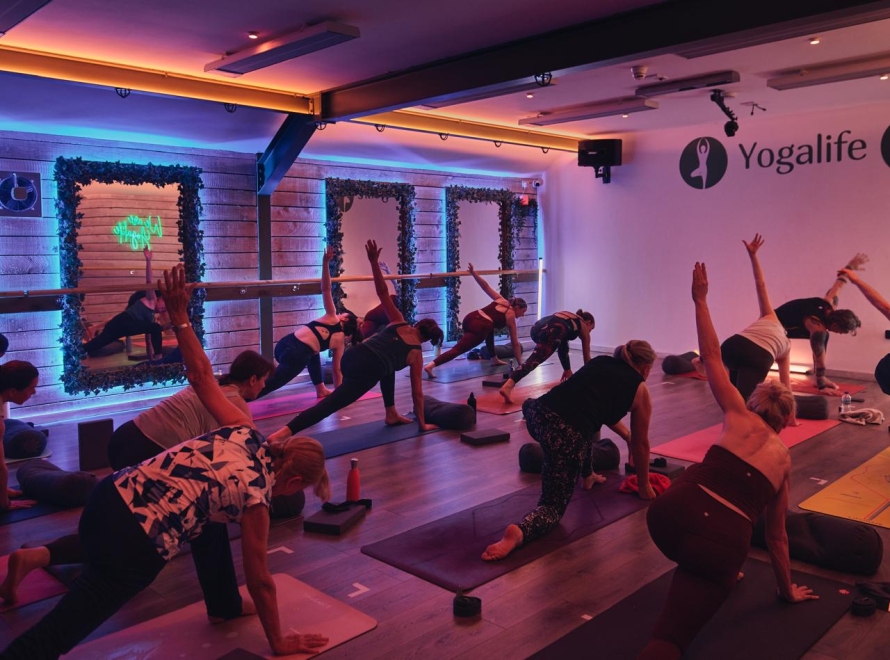
You can use the YogaLife class descriptions as a starting point for comparing the regular options. If a weekly class already addresses your question, you may not need a separate event. Ask about the current format rather than relying on an older description or another participant’s experience.
Check what experience the workshop expects
“All levels” can leave practical questions unanswered. Ask whether the session assumes familiarity with particular terminology or a style of practice. Also ask what alternatives are available when a participant does not want to join a particular activity.
Describe your experience plainly. You might say that you attend a weekly class but have not tried the advertised style. That is more useful than deciding whether to call yourself a beginner or an experienced student.
You do not need to prove that you belong by attempting everything. Ask how the teacher handles opting out, taking a break or asking for an explanation. If suitability depends on a health concern, discuss it privately with an appropriately qualified professional rather than using an event description as personal medical advice.
Find out how questions and participation work
Some people enjoy asking questions in a group. Others prefer a quiet conversation before the session. If this matters to you, ask which opportunities are available. Do not assume there will be time for an individual conversation during a busy event.
Check whether any part involves working with another participant. If so, ask whether you need to bring someone, whether pairings are arranged and whether a solo option is possible. Make your preference clear before booking rather than hoping the format will change on the day.
Similarly, ask about demonstrations and physical contact if these are relevant to your decision. You can state that you prefer verbal guidance. An enquiry should help you understand the event, not pressure you into participation you have not chosen.
Read the event’s own booking information
Keep practical arrangements separate from the teaching question. Confirm the date, arrival time, venue and finish time for the specific event. Ask what to bring and whether equipment is provided. Check any details that would affect your ability to attend the full session.
Read the price and booking conditions attached to that event. Do not assume your regular membership or class pass includes it. Check the cancellation or transfer arrangements before paying, especially if your availability may change.
If the listing is unclear, ask for clarification through the organiser’s established contact route. Save the response with your booking confirmation. An old social post or a friend’s previous booking may describe different arrangements.
A short enquiry you can adapt
Keep the first message focused. You do not need to send your full practice history or unrelated personal information. The organiser needs to know which event you mean and what remains unclear.
I’m interested in the workshop on [topic and date]. I currently attend [type of class], and I’d like to explore [one question]. Does the session cover that? Could you also confirm the expected experience, how the time is divided and whether there are opportunities for questions?
Add a practical question only where you need an answer. For example, ask about equipment or partner activities rather than sending a long checklist when the listing already explains those points.
Choose without turning it into a test
A workshop does not have to produce a dramatic change to be worthwhile. A clearer explanation or one question to revisit can be enough. Equally, you can decide that a regular class suits you better at the moment.
Afterwards, note what you understood and what remains uncertain. Do not treat a group session as an individual qualification or permission to teach others. If you want to explore formal teacher training, that is a separate decision with its own course requirements.
For current options, contact the YogaLife team with the event or topic you have in mind. Ask for the current details before making plans. The aim is a session that fits your interests, not another obligation in your diary.