You may see the words hot, warm or heated while looking for a yoga class. They tell you to pay attention to the room environment, but they do not give you all the information needed to choose a session.
For a useful comparison of hot versus warm yoga, check the actual temperature alongside the class style, pace and experience level. The name is the beginning of the enquiry.
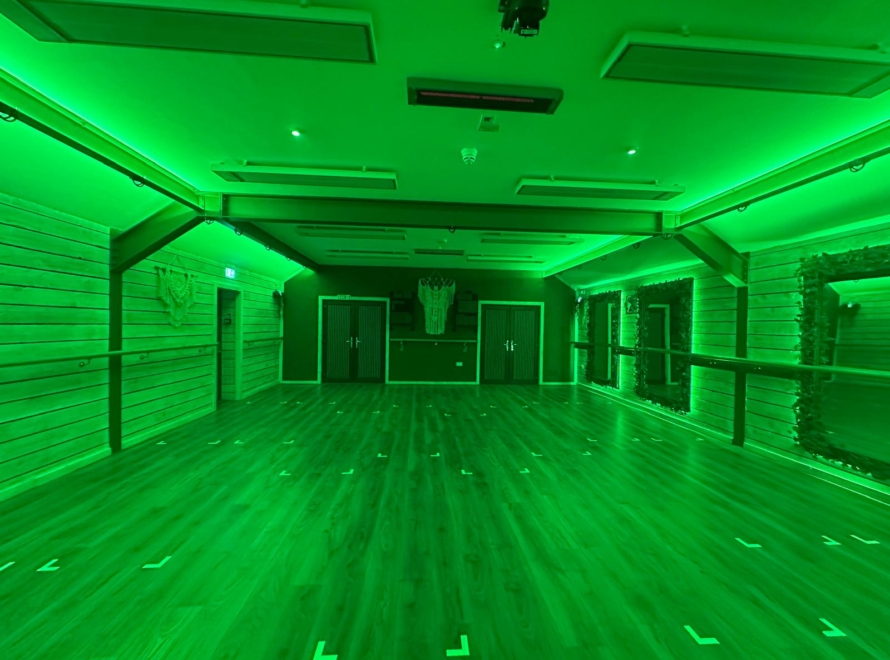
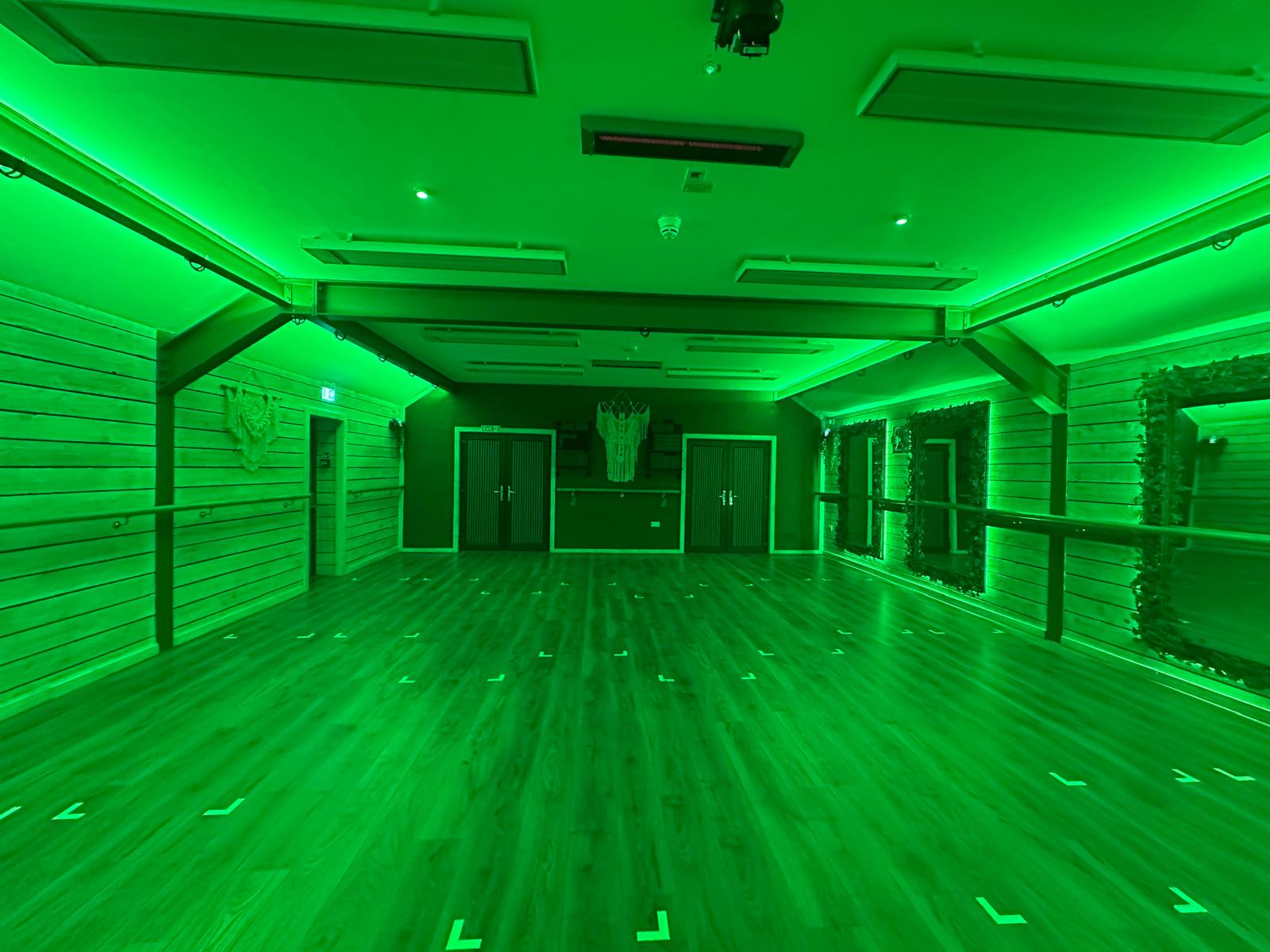
YogaLife’s studio FAQ confirms that the studio uses infrared heating. If temperature affects your choice, ask about the specific session you plan to attend.
Read the heat label as one part of the description
Words such as hot and warm describe a heated environment. On their own, they do not specify an exact number, the pace of movement or how much previous yoga experience is expected.
Before booking, ask what the studio means by the label on that class. A description you read elsewhere may refer to a different room, teaching format or temperature.
It is also worth checking whether the listing describes the usual room setting or a particular event. Use the current booking information rather than relying on an old screenshot or a general article about hot yoga.
You do not need to guess which wording is right for you. A specific question is more helpful: “What temperature should I expect in this session, and what kind of movement does it involve?”
Separate the room temperature from the class pace
A heat description and a style description answer different questions. One concerns the environment. The other helps you understand what you will do during the session.
Read the YogaLife class guide for the distinctions between formats, then look at the individual class page. Notice whether it describes continuous movement, time spent in postures, supported rest or a mixture.
For example, our Restorative Yoga page describes supported, floor-based practice in a warm infrared studio environment. That wording explains part of the format; it does not give a numerical temperature for every session.
If you prefer a particular pace, say so separately from your preference about heat. “I would like a slower class, and I also want to check the room temperature” gives the team two clear questions to answer.
What does infrared tell you?
Infrared describes the heating used in the studio. It does not, by itself, tell you the temperature of the class you are booking.
You can therefore ask about both: what the class format involves and what room conditions to expect. There is no need to turn a heating description into a promise about how a session will feel for you.
Likewise, avoid choosing by assumptions about how much you will sweat. Your booking decision should begin with the information about the session and any individual advice you need.
Questions worth asking before you book
If the heat label is unfamiliar, send the studio the class name, date and time. That makes it easier to answer about the actual session rather than the style in general.
- What room temperature is normally used for this class?
- Does the session involve a flowing sequence, longer holds or supported rest?
- Is it intended for someone with my level of yoga experience?
- What should I bring for this particular class?
- What should I do if I need to pause or leave the room?
If you are looking for an unheated option, ask explicitly whether one is available. Do not assume a class is unheated because hot or warm is missing from its name.
If a health condition or other concern may affect whether heated exercise is suitable for you, seek appropriate professional advice before attending. A class label cannot answer an individual health question.
Plan the visit once the details are clear
Follow the joining instructions for the session you have chosen. Check what equipment is supplied and whether you should bring a towel or any additional item.
Leave time to tell the teacher if it is your first heated class. You can ask where to keep your water and how to signal if you need help.
During the session, tell the teacher if you feel uncomfortable or unwell rather than treating the heat as something you have to endure. You can use what you learn from that visit when discussing your next choice.
Common questions
Does warm mean the class is easy?
The label does not establish the level or pace. Read the full description and ask about the session’s movement and experience requirements.
Can I tell the temperature from the yoga style?
Check with the studio. A style name alone is not a temperature reading, and an older timetable may not describe the current session.
Where can I check YogaLife’s current classes?
Use the current timetable to find a session, then ask the team for any temperature detail you need before booking.
Choose with the full picture
Compare YogaLife’s classes by format, level and room environment together. A short conversation about the exact session can help you make a more informed first choice.