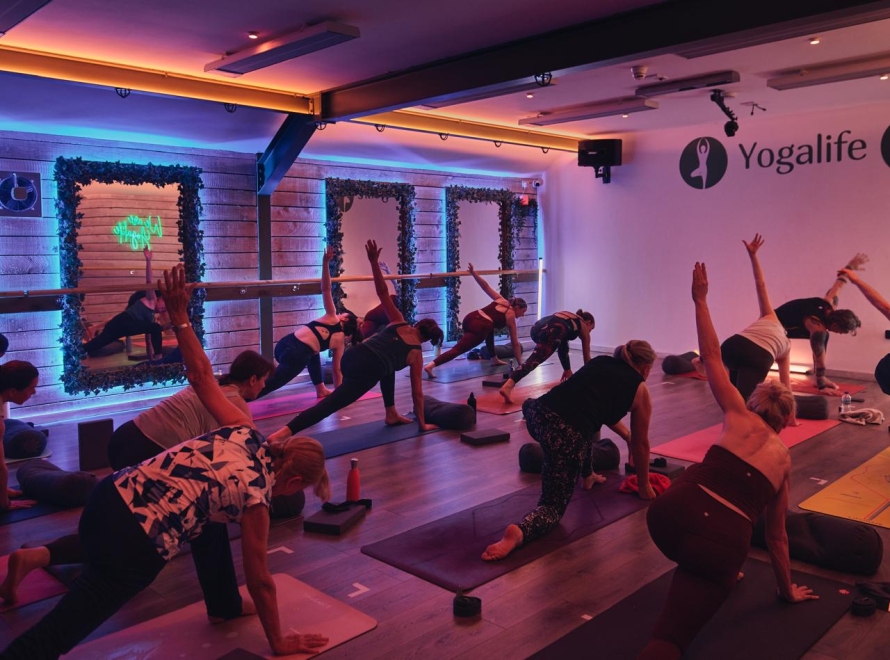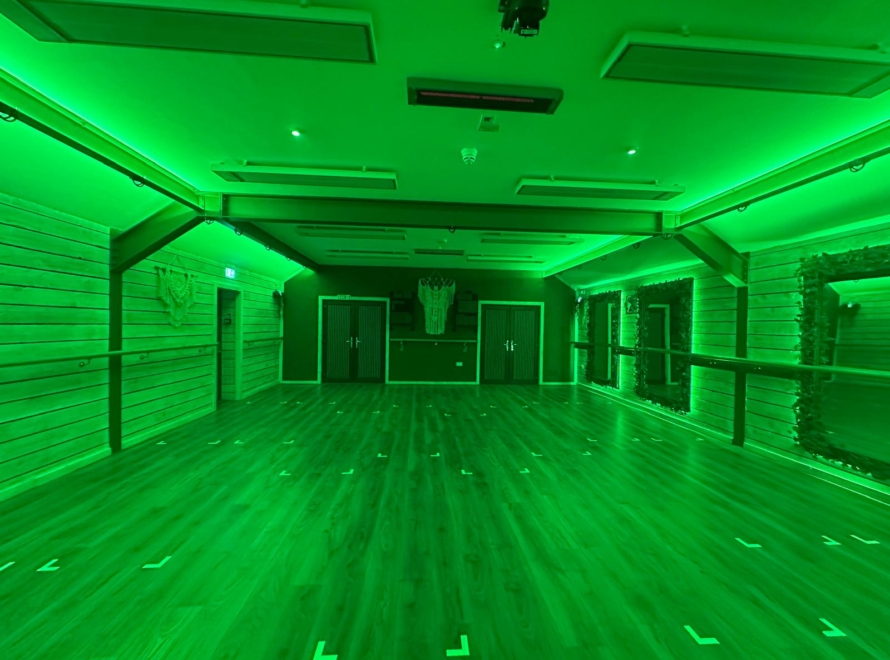

A yoga teacher training class observation works best when you look for a few things closely. Instead of trying to copy the whole class, pick one question: how does the teacher help people understand a transition? A page of focused notes gives you something to discuss afterwards.
Agree the ground rules first
Ask your course tutor what counts as an observation and whether the class teacher has agreed to it. Confirm whether you will join the class, watch or do a mix of both. Do not film, photograph or record the room without permission. Your log should describe teaching choices, not identify students or record personal circumstances.
Use three lines in your notebook
Write down the first cue, one transition and one check-in. For each, note what the teacher did and what you could actually see or hear next. For example, “The teacher named where we were going before moving; I had time to see the direction.” That is different from guessing how the rest of the room felt.
Leave a little space beside each observation. Use it to add a question rather than a verdict, such as “Was the order of those cues deliberate?” or “How might that instruction sound to someone who can’t see the demonstration?”
Bring one idea to teaching practice
Pick one observation you can try in your own short teaching session. You might name the direction first and then pause. Ask a tutor or classmate who has agreed to take part to tell you whether it helped. You do not need to copy another teacher’s words or sequence.
Keep your notes where you can find them alongside your course work. If you are comparing training formats, see the YogaLife teacher training page and ask how observation, consent and feedback are handled for the cohort you’re considering.