
Yoga class size can influence how a session feels, but the headcount alone does not tell you how it is taught. Before choosing between a smaller and larger group, ask how the teacher explains the practice, handles questions and organises the room.
There is no single class size that suits everyone. A quiet room can feel comfortable to one person and conspicuous to another. Use your preferences as information, not a test of which format is objectively better.
Ask what support means in that session
A small group does not automatically mean one-to-one instruction. A larger group does not automatically mean there is no opportunity to ask a question. Ask the studio what participants can reasonably expect.
Find out whether the teacher demonstrates, uses spoken instructions or combines both. If you rely on seeing a demonstration, ask how the room is arranged and whether there is a suitable place to set up.
Avoid assuming that a higher price or smaller number guarantees individual assessment. If you want individual teaching, ask specifically whether that service is offered and what it includes.
Think about how you ask questions
Some people are comfortable speaking during a session. Others prefer a brief conversation before or afterwards. Ask when questions are welcome and whether the teacher has time outside the scheduled class.
If you need an explanation while practising, use the agreed way to attract attention. Do not rely on the teacher noticing uncertainty from across the room.
A useful enquiry might be: “I follow demonstrations more easily than spoken instructions. How is this class usually taught?” That tells the studio more than asking whether the group is small enough.
Separate personal space from group size
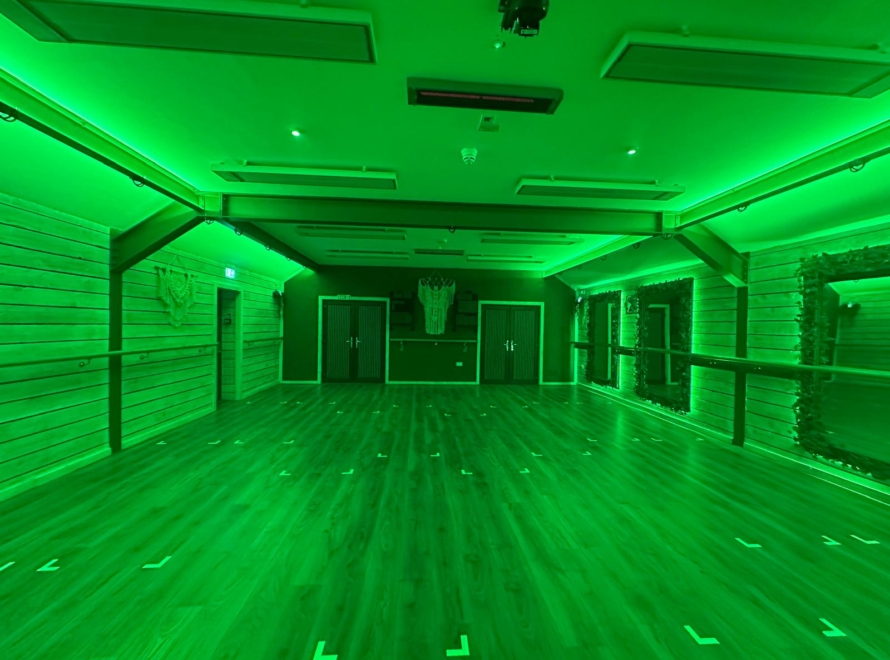
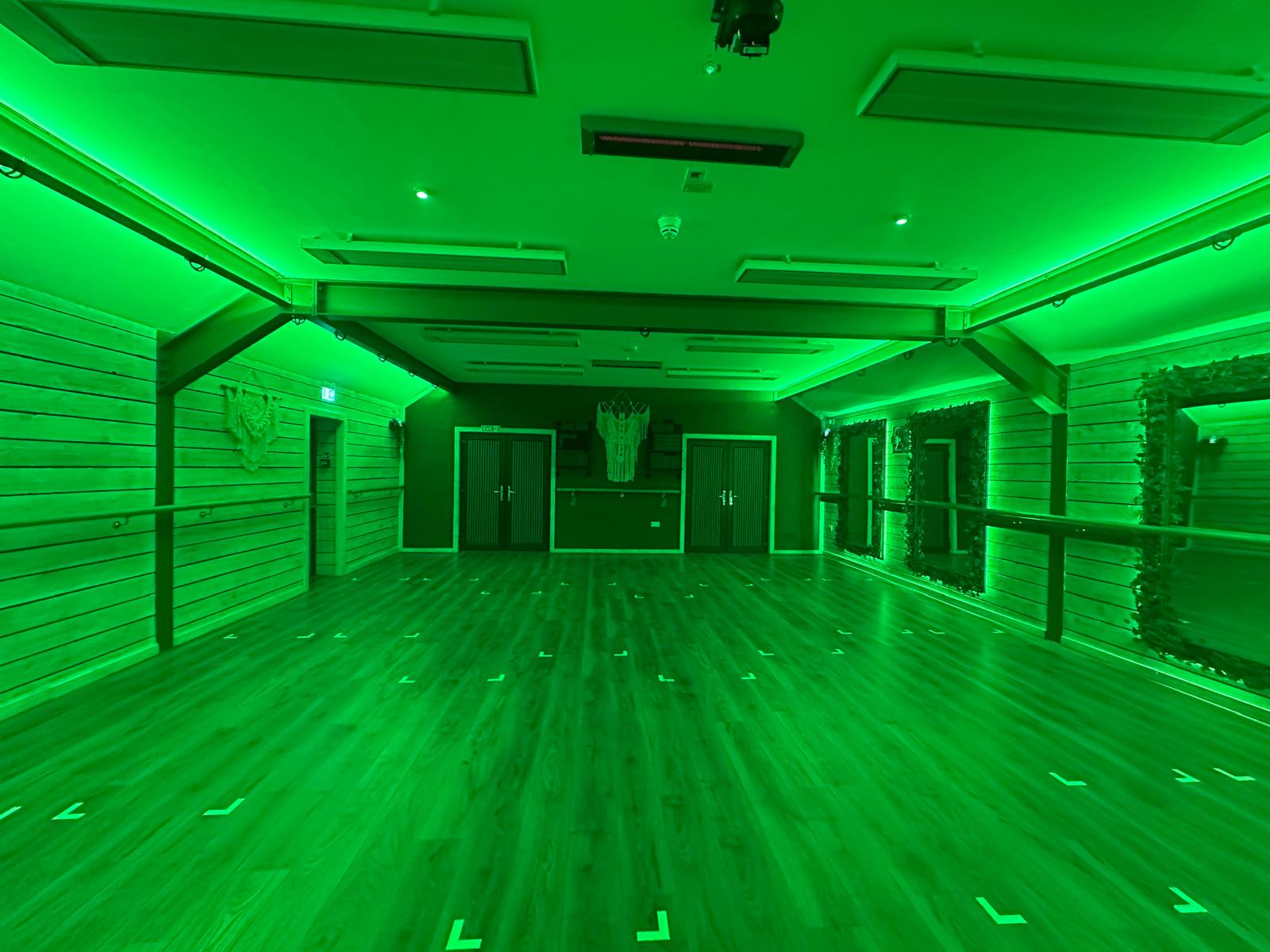
The room layout matters alongside the number attending. Ask about the space available for mats and equipment if this is important to you. Avoid relying on a photograph taken when the studio was empty.
Arrive within the studio’s advised window so there is time to ask where to set up. Do not move another person’s belongings or reserve large areas without agreement.
If the room feels different from what you expected, speak to the teacher before the session where possible. Explain the practical issue rather than guessing why the class has been arranged that way.
Consider familiarity and social preference
A smaller class may make it easier to recognise other participants, but it does not require you to socialise. A larger group can offer a different atmosphere without making you anonymous to the teacher.
You can attend on your own in either format. If a session includes partner work or discussion, ask about that specifically. The number booked does not tell you whether you will be expected to work with someone else.
Choose the amount of interaction that suits you. You do not need to describe yourself as outgoing or shy to ask what the session involves.
Compare the whole visit
Look at the style, time, location and booking arrangements as well as the room. A format you enjoy is less useful if you cannot attend it reliably. Read the current description and confirm anything unclear.
If you try a session, note one or two concrete things that helped or hindered you. Could you see and hear? Did you understand when to ask a question? Was the format what the description led you to expect?
One class is an experience, not a permanent verdict. The group and room arrangements can vary. Ask about the usual format without expecting an exact headcount every week.
Choose with a clear question
Browse the YogaLife class options, then ask about the teaching format of the session you are considering. The most useful question is often about how the class works rather than how many people will be there.
Contact YogaLife if visibility, communication or space affects your choice. A specific question gives the team a practical starting point for helping you compare options.