

Yoga Classes in Wilmslow: How to Choose the Right Class
If you are researching yoga classes wilmslow, this practical guide will help you understand the options, set realistic expectations and choose a class that fits your experience, schedule and goals.
Compare class styles, intensity, beginner options and booking. The best choice is rarely the class with the most impressive name. It is the one you can attend consistently, understand clearly and adapt safely to your present needs.
YogaLife is based at 193A Wilmslow Road, Handforth, close to Wilmslow and within easy reach of surrounding Cheshire communities. Use this guide as a starting point, then check the live timetable because teachers, times and availability can change.
Yoga classes wilmslow: the essentials
People use search terms such as yoga classes wilmslow because they want a clear answer rather than a long list of class names. Start with three questions: how energetic would you like the session to feel, how much previous experience do you have, and what would make the class worthwhile for you?
Your answer may be mobility, strength, relaxation, confidence, recovery or a mixture of these. None is more valid than another. A useful class gives you enough challenge to stay engaged while leaving room to breathe, learn and make sensible adjustments.
Quick answer: choose the most suitable level and pace, not the most advanced option. Read the class description, check whether the room is heated and contact the studio when an injury, pregnancy or health condition affects your choice.
What to expect from the experience
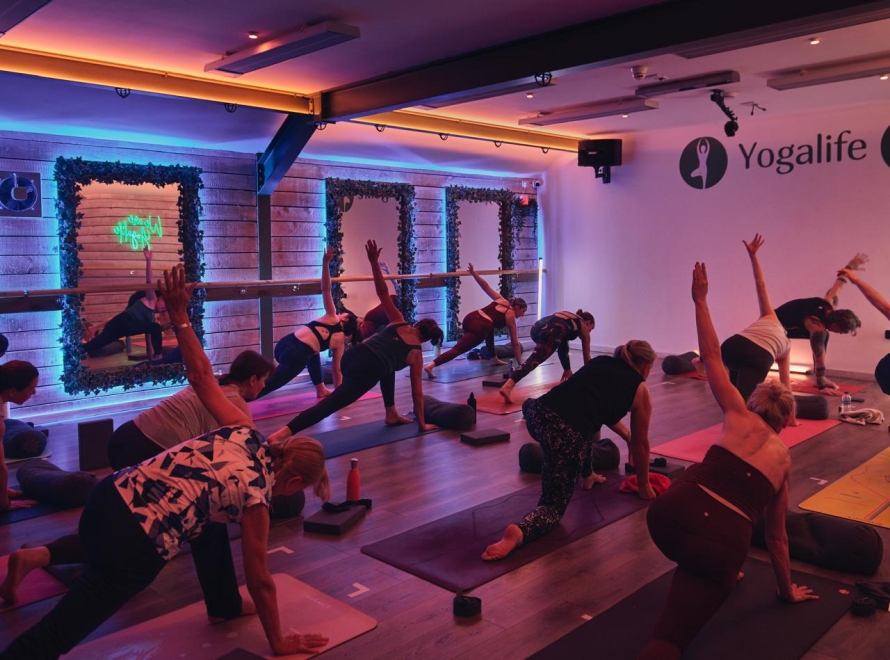
A typical session begins with time to arrive and listen to the teacher’s introduction. The main part of the class may combine standing work, floor-based movement, breathing, pauses and a closing rest. The balance changes according to the class style and teacher.
You are not expected to copy every shape perfectly. Good teaching provides a direction, a purpose and options. You remain responsible for choosing a range that feels controlled. Sharp pain, dizziness, numbness or unusual breathlessness are reasons to stop and tell the teacher.
A class may help you practise
- body awareness and coordination;
- comfortable mobility;
- steady strength and balance;
- breathing under appropriate effort;
- a more consistent wellbeing routine.
It should not require
- being flexible before you start;
- owning specialist clothing;
- performing through pain;
- keeping pace with another student;
- understanding every yoga term.
How to choose the right option
Compare pace, temperature, teaching style and level. Slower does not automatically mean easy, and faster does not automatically mean better. A slower class can involve long holds and close attention; an energetic class can require quicker transitions and more load through the hands, shoulders and legs.
Start with your current experience
If you are completely new, returning after a break or unsure of the terminology, choose a clearly beginner-friendly class. Learning the foundations first makes later progression more confident.
Match the pace to your goal
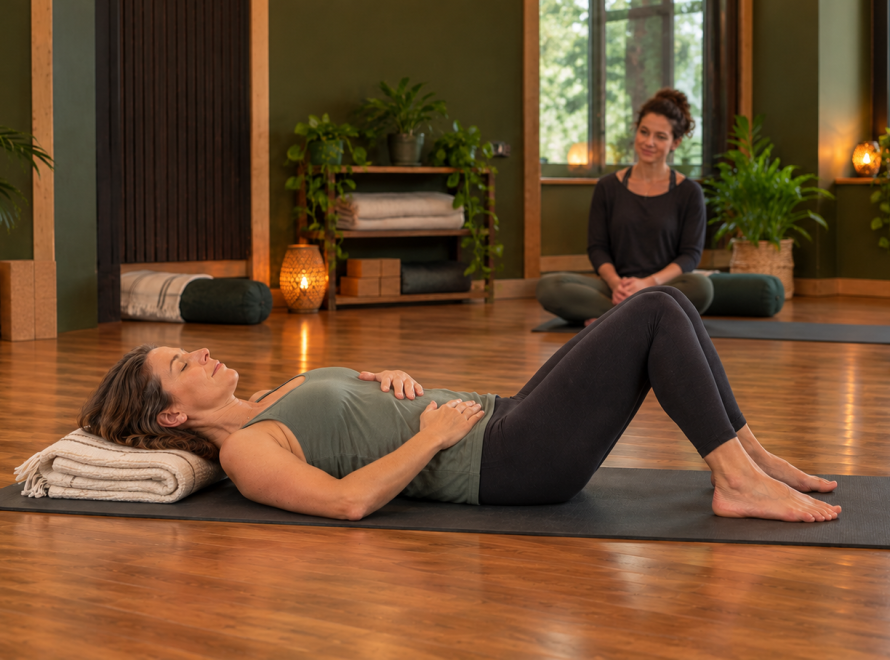
For calm and recovery, consider a gentler or restorative direction. For flowing movement, explore an appropriate Vinyasa option. For a stronger training effect, review Power, Ashtanga or conditioning-led descriptions carefully.
Check the practical details
Look at start time, duration, travel, parking, what to bring and cancellation terms. A well-matched class still needs to fit real life if it is going to become a useful habit.
Preparing for your first session
Book in advance and arrive 10–15 minutes early. Wear comfortable exercise clothing that lets you move without constant adjustment. Bring water, and add a towel when the timetable describes a warm, hot or particularly energetic class.
Tell the teacher that it is your first session and mention relevant injuries or health considerations privately. A group teacher can offer general options but cannot diagnose a condition or replace advice from a qualified healthcare professional.
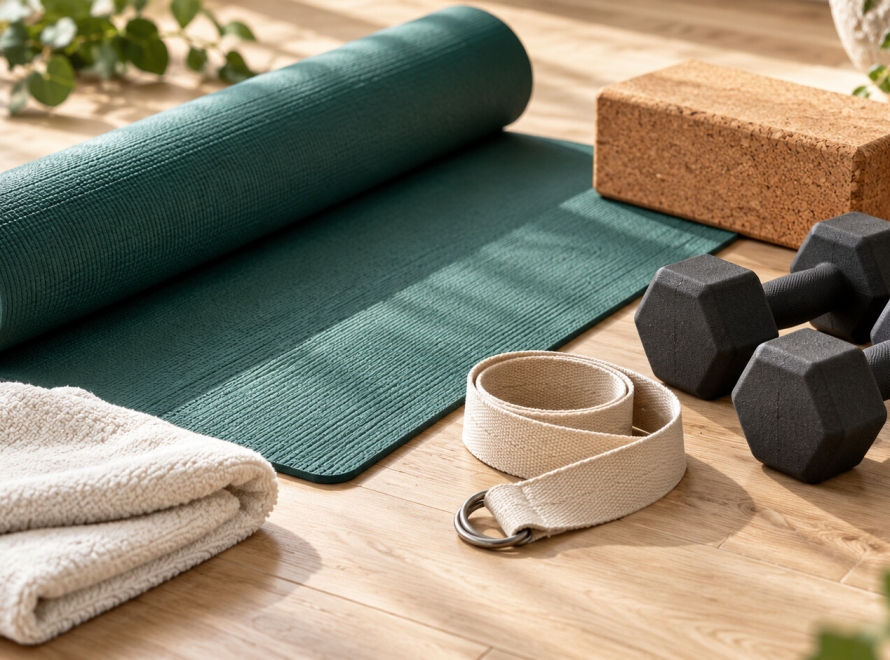
YogaLife provides mats and equipment, although you may prefer your own mat. Silence phones and watches, follow the studio’s guidance on footwear and belongings, and give neighbouring mats enough space.
How to make steady progress
Consistency usually teaches you more than chasing intensity. Attend often enough to recognise recurring movements, but allow recovery between demanding sessions. Progress may appear as steadier breathing, clearer coordination, better concentration or greater confidence using an easier option.
Try a class more than once before deciding, unless it felt clearly unsuitable or unsafe. Teachers vary in language, sequencing and emphasis. A second visit often feels more familiar because you already understand the room, format and basic cues.
Keep a brief note after each session: what felt helpful, what felt uncertain and how you felt later that day. This creates better evidence for your next choice than judging success by flexibility alone.
Making yoga classes wilmslow work locally
A nearby studio can remove friction from your week. When travel is straightforward and class times are realistic, it is easier to build repetition. YogaLife’s Handforth location serves people looking around Wilmslow as well as nearby Cheadle, Cheadle Hulme, Bramhall and Alderley Edge.
Use the live timetable to compare sessions rather than assuming every class runs daily. If two options look suitable, ask the team which one best matches your present experience. That short conversation can prevent an unnecessarily difficult first booking.
Plan your next step
Frequently asked questions
Is yoga classes wilmslow suitable for beginners?
It can be, provided the specific class description welcomes beginners and the pace matches your experience. Ask the studio when the level is unclear.
How often should I attend?
Choose a frequency you can maintain and recover from. One regular class can be a sound beginning; add sessions gradually when your schedule, energy and goals support it.
Do I need to be flexible?
No. Flexibility is not an entry requirement. Use props, smaller ranges and rest whenever these options help you move with control.
What should I bring?
Comfortable exercise clothing and water are sensible basics. YogaLife provides mats and equipment, while a towel is useful for warmer or more energetic classes.
What if I have an injury or health condition?
Seek appropriate professional advice when needed and tell the teacher before class. Stop if symptoms worsen; a general group class is not medical treatment.
Important: This article provides general information, not medical advice. Work within your own limits and seek professional guidance when a condition, injury, pregnancy or persistent symptom may affect participation.
FIND A CLASS THAT FITS YOUR WEEK.
Take your next step with YogaLife
Compare the current timetable, choose a suitable level and contact the team if you would like help deciding.