
Yoga or Pilates: Which Is Better for Strength and Flexibility?
YogaLife Journal
Movement guide · Wilmslow & Handforth · Updated August 2026
Yoga and Pilates can both build useful strength, improve movement confidence and support flexibility. The better choice is not determined by the label alone: it depends on your goal, the class format, the teacher and the type of practice you will attend consistently.
Yoga is a broad family of practices that may combine physical postures, breathing, focused attention and relaxation. Pilates is a movement system built around controlled, precise exercise, often with a strong emphasis on the trunk, alignment and coordination. Both can be gentle or demanding, and neither has one universal class format.
This guide gives a realistic comparison rather than declaring one winner. If you want to explore local options now, browse YogaLife yoga classes, use the class guide or view the current timetable.
Yoga vs Pilates: the key differences
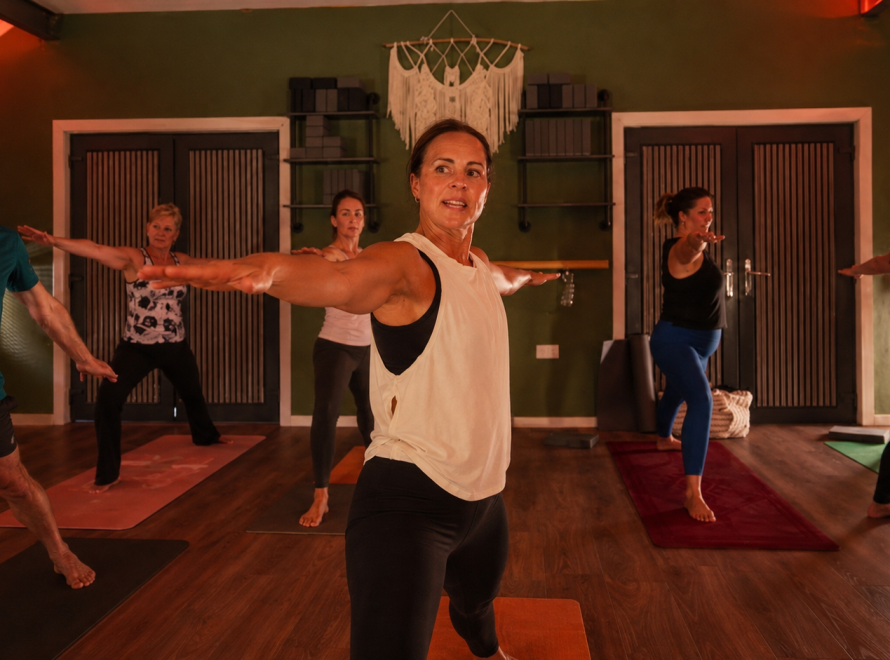
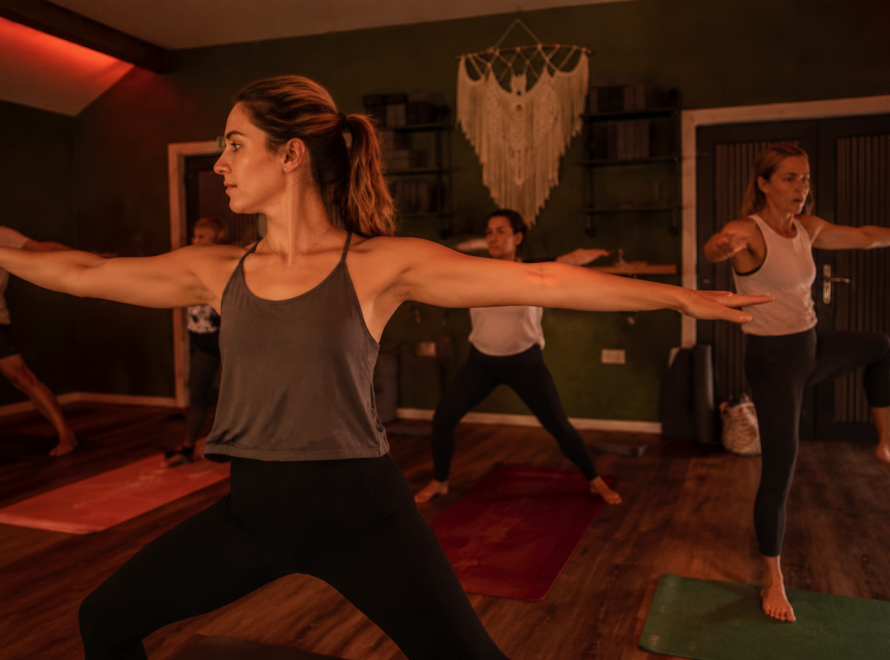
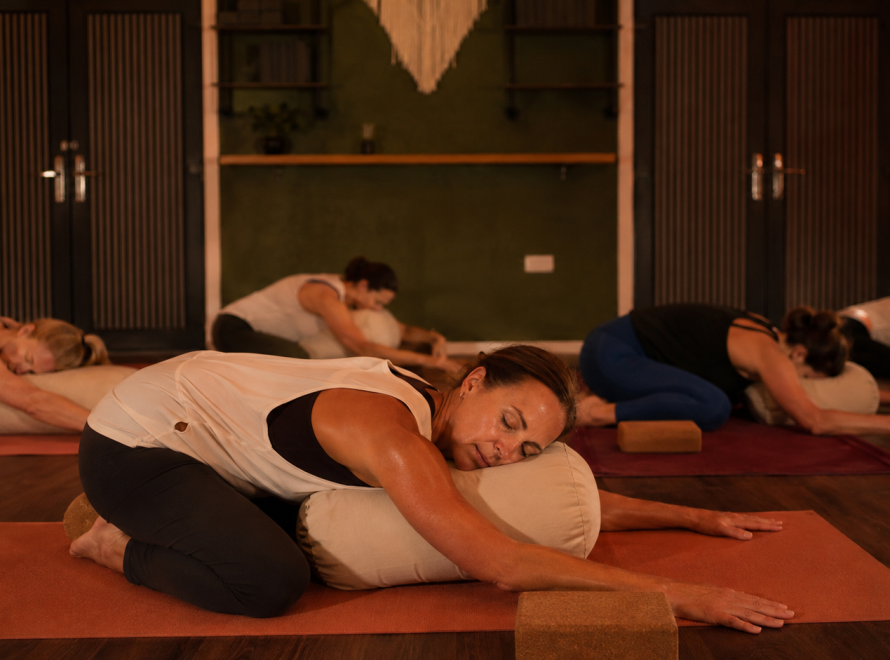
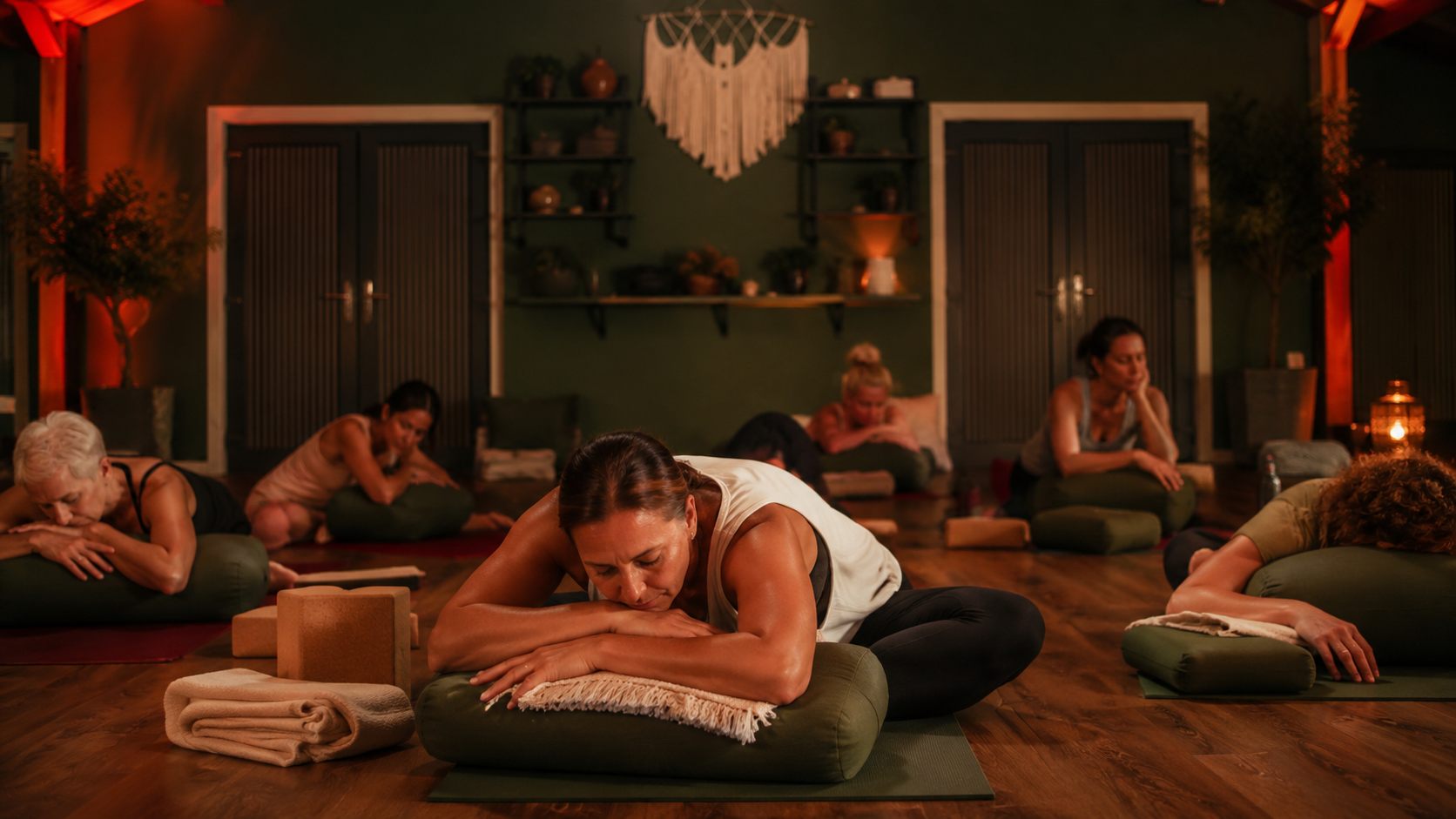
A yoga class might move continuously through standing sequences, hold postures at a steady pace, or spend most of the session in supported floor-based shapes. Breath and attention are commonly woven through the class, and many sessions finish with a period of rest.
Mat Pilates normally uses repeated exercises performed with deliberate control. The teacher may cue the pelvis, ribcage, spine and breath while gradually changing leverage, range or repetitions. Equipment-based Pilates can add springs and resistance, so it may feel very different from a mat class.
Yoga often prioritises
- whole-body postures and transitions;
- balance and weight-bearing shapes;
- breathing, attention and relaxation;
- a wide choice of pace and philosophy.
Pilates often prioritises
- controlled repetitions and precision;
- trunk strength and coordination;
- spinal and pelvic organisation;
- progression through leverage or resistance.
These are tendencies, not rules. A strong Vinyasa class may feel more physically intense than beginner Pilates; an advanced reformer session may create more resistance than a restorative yoga class. Read the actual description and ask about level, equipment and pace.
Which is better for strength?
Pilates is a clear choice when your priority is controlled trunk work, postural endurance and coordinating the limbs while the torso stays organised. Exercises can be progressed by changing the lever length, repetitions, range or spring resistance. That focused structure appeals to people who like precise, repeatable movement.
Yoga also develops strength. Standing poses, balances, planks and transitions ask the body to support its own weight, while longer holds build muscular endurance. Dynamic styles generally provide more of this stimulus than Yin or Restorative Yoga. Explore Flow Yoga or compare Hatha and Vinyasa to see how much yoga classes can vary.
Neither practice automatically replaces progressive resistance training. If maximal strength, bone-loading or sport performance is your main goal, a programme using suitable external resistance may still be useful. Yoga or Pilates can complement it by improving control, balance, body awareness and consistency.
Which is better for flexibility?
Yoga usually offers more direct opportunities to spend time in a broad range of positions. Hatha may use steady holds, Flow links postures together, and Yin uses longer mainly floor-based shapes. For someone who wants to explore range gradually, that variety can make yoga the more obvious choice.
Pilates is not “just core work”. Many exercises move the hips, shoulders and spine through controlled ranges while asking the body to maintain alignment. That can support usable flexibility: range you can enter and leave with control.
More flexibility is not always better. If you are hypermobile or often feel unstable, repeatedly pursuing the deepest shape may be unhelpful. Choose a teacher who values strength, support and control. Read YogaLife’s guide to what flexibility progress really looks like.
What about mobility and everyday movement?
Flexibility describes available range; mobility also involves controlling movement through that range. Both yoga and Pilates can contribute. Yoga may challenge transitions, balance and varied joint positions. Pilates may break movement into smaller components and help you notice how the trunk, hips and shoulders coordinate.
The useful question is not which system “fixes posture”. Bodies are designed to move, and there is no single perfect alignment that everyone must maintain all day. Look instead for practical outcomes: standing up more confidently, reaching without strain, controlling a balance or moving with less unnecessary tension.
A simple test: after several weeks, can you perform everyday tasks or chosen exercises with more confidence and control? That matters more than whether your pose resembles somebody else’s.
Stress, breathing and relaxation
Yoga is more likely to include an explicit breathing practice, quiet attention or a final relaxation. For people seeking a deliberate pause from a busy week, slower Hatha, Yin or Restorative Yoga may fit especially well. The NCCIH reports that research suggests yoga may help with stress management and aspects of wellbeing, although results vary and yoga is not a substitute for appropriate healthcare.
Pilates also demands concentration and coordinates movement with breathing. Many people find that focused experience absorbing or settling. However, a Pilates class should not automatically be marketed as meditation or mental-health treatment. Choose the environment and teaching style that genuinely helps you feel engaged and safe.
Yoga or Pilates by goal
The table offers a starting point, not a medical prescription. Individual classes differ, and trying an introductory session is often more informative than relying on a label.
| Goal | Yoga may suit you if… | Pilates may suit you if… |
|---|---|---|
| Whole-body strength | You enjoy weight-bearing poses, balances and flowing transitions. | You prefer controlled repetitions and structured progression. |
| Trunk control | You want integrated strength through poses and breathing. | You want concentrated work on trunk coordination and endurance. |
| Flexibility | You enjoy exploring a wider variety of held positions. | You prefer active range combined with precise control. |
| Balance | Standing balances and transitions motivate you. | Stable, carefully layered exercises feel more accessible. |
| Relaxation | You want breathwork, quiet attention or a final rest. | You relax best by focusing on detailed movement. |
| Low-impact exercise | You select a gentle Hatha, Yin or Restorative class. | You choose an appropriate beginner mat or equipment class. |
Can you combine yoga and Pilates?
Yes. There is no need to be loyal to one method. A weekly routine might pair one Pilates session for controlled strengthening with one yoga class for varied movement, balance, breathing and relaxation. Allow your schedule to reflect your energy, health, sport and recovery needs.
More is not automatically better. Begin with sessions you can recover from and leave space between demanding classes. If you also run, lift weights or play sport, use yoga and Pilates to support the overall plan rather than filling every rest day. The guide to how often to practise yoga can help you set a realistic rhythm.
Choosing your first class
- Check the level: beginner, mixed-level and advanced do not mean the same thing.
- Ask about equipment: mat Pilates and reformer Pilates are distinct experiences.
- Tell the teacher: mention relevant injury, pregnancy, surgery or health conditions before class.
- Use options: a modification is intelligent pacing, not a lesser version.
- Judge the teaching: you should be able to ask questions and rest without pressure.
New to YogaLife? Read the first-visit information, compare the membership options, or ask the team which class best matches your experience.
Frequently asked questions
Is yoga or Pilates better for beginners?
Both can be suitable. The best first class has clear instruction, manageable pacing and useful alternatives. Choose according to the specific session rather than assuming every beginner-labelled class is identical.
Which burns more calories?
Energy use varies with intensity, duration, body size and class format. Calorie burn is a poor way to distinguish two highly varied practices. Choose the session that supports your goal and that you can sustain.
Is Pilates better for back pain?
Some people use Pilates-based exercise as part of managing low-back pain, but suitability depends on the cause and your symptoms. Persistent, severe or unexplained pain—and pain with weakness, numbness or changes to bladder or bowel function—needs appropriate medical assessment.
Do I need to be flexible?
No. Flexibility is not an entry requirement for either practice. A good teacher helps you select a range and level that you can control today.
Continue exploring YogaLife
Further reading
Important: This article provides general information and is not medical advice. Work within your own limits and seek professional guidance when a health condition, injury, pregnancy or persistent symptom may affect participation.
MOVE IN A WAY THAT SUITS YOU
Find your YogaLife class
Compare the latest sessions and choose a class that fits your goals, experience and week.