
Power Yoga vs HIIT Yoga: Which Workout Matches Your Goals?
YogaLife Journal
Class comparison · Wilmslow & Handforth · Updated August 2026
Power Yoga builds continuous strength, control and stamina through dynamic yoga sequences. HIIT Yoga adds deliberately timed bursts of higher-intensity work and recovery. Both can be challenging, but they organise that challenge differently.
The better class depends on what you enjoy, how much training experience you have and what else you do during the week. Neither label guarantees a fixed intensity: teaching style, room temperature, exercise selection and work-to-rest timing can change the experience significantly.
Explore the YogaLife Power Yoga class, compare HIIT Yoga or use the class guide before booking.
The key difference
Power Yoga
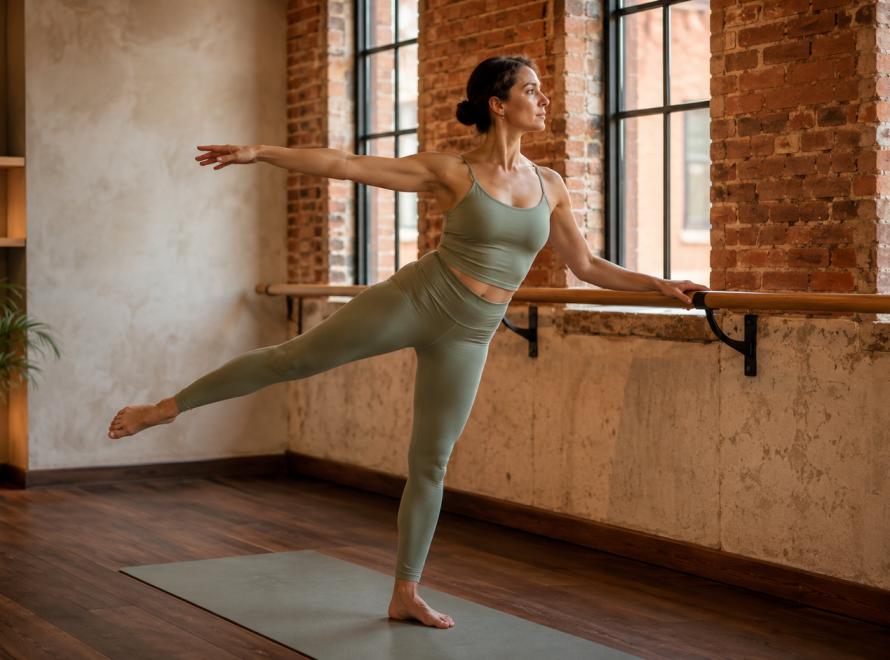
A flowing, strength-focused yoga practice. Challenge usually builds through sustained sequences, weight-bearing poses, balances and controlled transitions.
HIIT Yoga
A hybrid format using defined work and recovery intervals. Yoga-inspired movement may alternate with faster bodyweight exercises that raise breathing and heart rate.
Power Yoga is not simply “gentle HIIT”, and HIIT Yoga is not just Power Yoga performed quickly. The training structure is different. Power Yoga usually values continuity, position and transition quality; HIIT Yoga makes the interval itself a central feature.
What happens in each class?
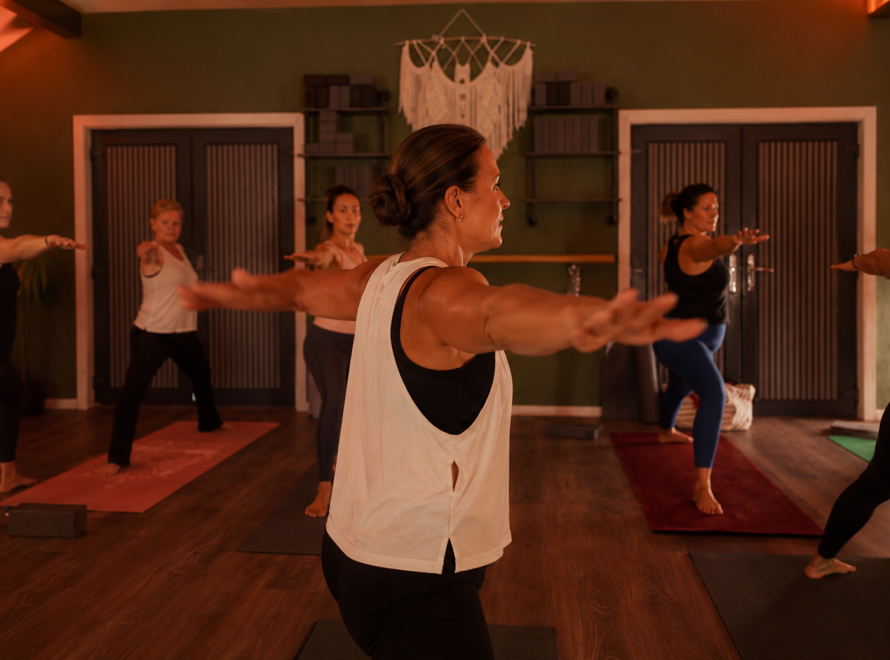
A Power Yoga class commonly begins with mobility or a progressive warm-up before moving into repeated flowing sequences. Expect standing poses, planks, lunges, balances and transitions that require concentration. The pace may remain steady while muscular fatigue gradually increases. Most classes slow down before a final rest.
HIIT Yoga normally starts with a warm-up and technique preparation, then uses rounds of work separated by rest or lower-intensity movement. A round might combine a yoga-inspired position with squats, mountain climbers or other bodyweight patterns. Formats differ, so ask whether the class is low impact, heated and suitable for your experience.
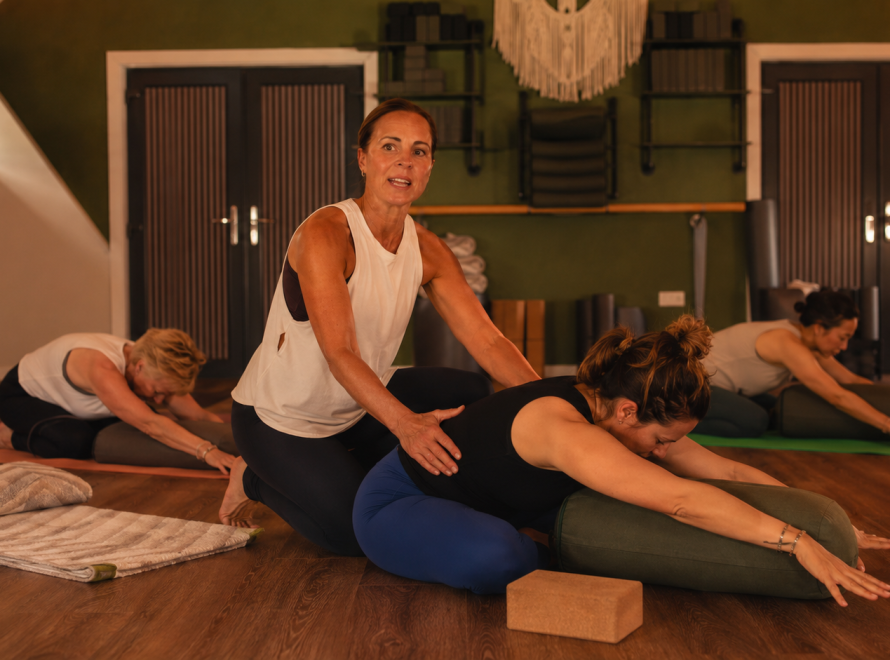
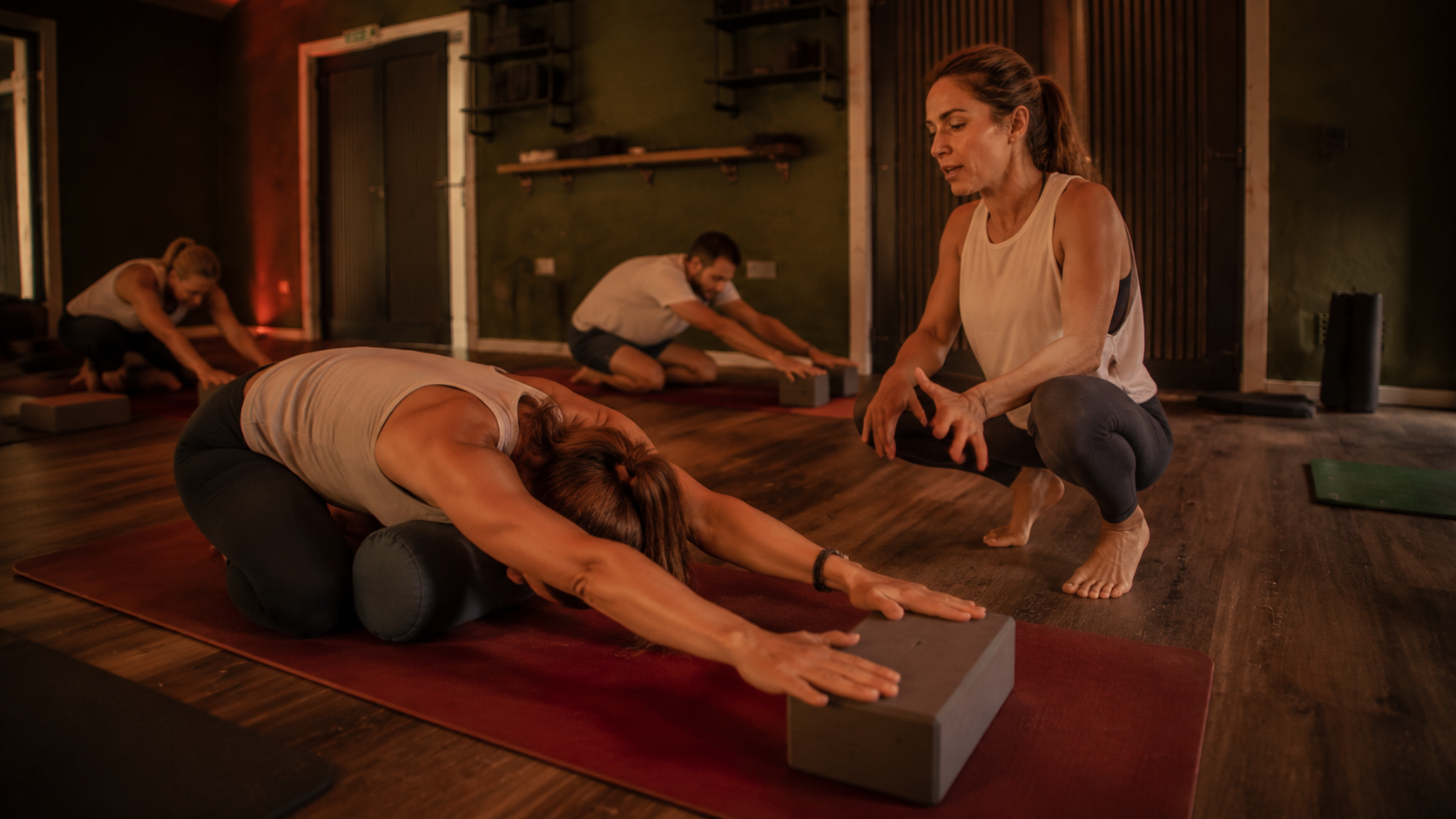
Good instruction protects technique as fatigue develops. Options should be explained before a fast interval begins, and rest should always remain available. A harder variation is not automatically a better one.
Which class is more intense?
HIIT Yoga is designed to create repeated peaks of effort, so it is more likely to produce rapid breathing and a noticeably elevated heart rate. Power Yoga can still feel very demanding, but effort is often more continuous and localised: legs working through lunges, shoulders supporting planks or the whole body controlling transitions.
Use the talk test rather than competing with the room. At moderate intensity you can usually speak in phrases; during a hard interval, conversation becomes difficult. Breathlessness should settle during recovery. Stop if you experience chest pain, faintness, unusual palpitations or breathlessness that does not recover as expected.
Important distinction: sweating is not a reliable measure of workout quality. Room temperature, hydration and individual physiology influence sweat. Judge the session by controlled movement, appropriate effort and recovery.
Strength, cardio and mobility
Power Yoga uses body weight through repeated standing poses, balances and upper-body support. It can develop muscular endurance, coordination and confidence across varied ranges. Progress comes from improved control, longer sustainable sequences and appropriate variations—not only deeper poses.
HIIT Yoga places greater emphasis on cardiorespiratory demand because hard intervals are followed by planned recovery. The exact benefit depends on whether the intervals are genuinely vigorous for you, long enough to create a training stimulus and performed with sound technique.
Neither format is guaranteed to replace progressive resistance training. If your primary goal is maximal strength or muscle development, additional resistance work may be useful. Likewise, one vigorous class does not cover every aspect of a balanced activity week. Walking, cycling, sport and recovery movement all count.
For a broader comparison, read Yoga vs Pilates for strength and flexibility or Hatha vs Vinyasa Yoga.
Which is better for beginners?
Power Yoga may be the more straightforward entry point when the class teaches poses and transitions clearly before increasing pace. However, “Power” still indicates a physically demanding session, so a beginner-specific or mixed-level description matters.
HIIT Yoga can suit active beginners who already understand basic movement patterns and can regulate effort. It may be a poor first choice if fast transitions make technique difficult, if high-impact exercise is unfamiliar or if you are returning after illness, injury or a long break.
- Tell the teacher that you are new before class begins.
- Choose low-impact options while learning the sequence.
- Keep a pace that allows control rather than copying the fastest participant.
- Rest before technique deteriorates.
- Read YogaLife’s first-visit guidance and arrive early.
Recovery and weekly planning
Treat both formats as demanding training. Beginners may start with one challenging class per week. Experienced participants might use two, ideally separated by easier days. The right frequency depends on total load from the gym, running, sport, work and sleep.
A gentle yoga class is not compulsory on every rest day. Sometimes genuine rest, walking or comfortable mobility is the better choice. Persistent soreness, disturbed sleep, reduced performance or loss of enthusiasm can indicate that the week needs less intensity.
A balanced example could be one Power Yoga class, one HIIT Yoga or other vigorous session, one strength session and easier movement on other days. Adapt the pattern rather than copying it blindly. See how often to practise yoga for more weekly templates.
Power Yoga vs HIIT Yoga at a glance
| Feature | Power Yoga | HIIT Yoga |
|---|---|---|
| Structure | Continuous sequences and sustained poses. | Timed work intervals with planned recovery. |
| Main demand | Whole-body strength, control and stamina. | Cardiorespiratory intensity plus bodyweight work. |
| Pace | Dynamic but generally flowing. | Distinct peaks and reductions in effort. |
| Impact | Usually low impact, although transitions can be demanding. | May include jumping; low-impact options should be available. |
| Technique | Yoga familiarity helps with transitions and alignment. | Movement familiarity helps technique survive faster intervals. |
| Best fit | You enjoy sustained concentration and yoga-based strength. | You enjoy intervals, variety and a stronger cardio focus. |
| Recovery | Allow recovery after demanding or heated classes. | Treat as a vigorous workout and separate hard sessions. |
How to choose the right class
Choose Power Yoga if you enjoy yoga postures, controlled transitions and a sustained physical challenge. Choose HIIT Yoga if intervals motivate you and you want a stronger cardiovascular element. Try each on separate weeks rather than judging both while already fatigued.
Before booking, check whether the room is heated, whether jumping is included, what previous experience is expected and how the teacher adapts the class. YogaLife’s challenge class pathway can help narrow the options.
Frequently asked questions
Does Power Yoga count as cardio?
Some classes can elevate heart rate substantially, but intensity varies. A class label alone cannot confirm whether a session meets a particular aerobic target.
Is HIIT Yoga suitable every day?
Usually not as a hard workout. Vigorous sessions require recovery, and daily high intensity may undermine technique, sleep and consistency. Alternate demanding and easier days.
Which burns more calories?
HIIT Yoga may use more energy during some sessions, but calorie expenditure varies with duration, intensity and the individual. It is not a reliable basis for choosing a sustainable class.
Can I do either class with an injury?
Suitability depends on the injury and current symptoms. Ask an appropriate healthcare professional and the teacher; do not use a fast class to test an unexplained problem.
Continue exploring YogaLife
Further reading
- NCCIH: Yoga—effectiveness and safety
- World Health Organization: Physical activity
- Cambridge University Hospitals: Exercise intensity guidance
Important: This article provides general information and is not medical advice. Work within your own limits and seek professional guidance when a health condition, injury, pregnancy or persistent symptom may affect participation.
READY FOR A CHALLENGE?
Choose your YogaLife workout
Compare current classes and choose the right balance of strength, intensity and recovery.